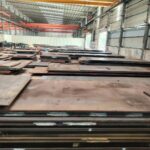
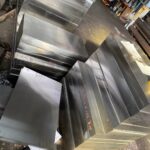
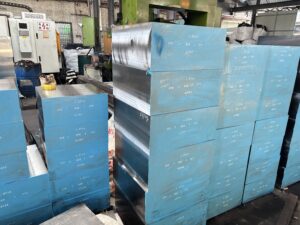
 If you’re in the tooling, mold-making, or high-precision engineering business, chances are you’ve come across two stainless steel materials quite often: 440C and 1.2083 Tool Steel. On the surface, they might seem similar — both are martensitic stainless steels with excellent hardness and corrosion resistance — but they serve different purposes in very different ways. If you’re asking, “Should I choose 440C or 1.2083?”, then you’re in the right place.At Dongguan Otai Special Steel, we keep both 440C and 1.2083 Tool Steel in various dimensions to serve your exact needs.
Chemical Composition Comparison: 440C vs 1.2083
| Element | 440C (UNS S44004) | 1.2083 (X42Cr13) |
|---|---|---|
| Carbon (C) | 0.95 – 1.20% | 0.38 – 0.45% |
| Chromium (Cr) | 16.0 – 18.0% | 12.0 – 14.5% |
| Manganese (Mn) | ≤ 1.0% | ≤ 1.0% |
| Silicon (Si) | ≤ 1.0% | ≤ 1.0% |
| Molybdenum (Mo) | — | — |
| Phosphorus (P) | ≤ 0.04% | ≤ 0.03% |
| Sulfur (S) | ≤ 0.03% | ≤ 0.03% |
Hardness and Heat Treatment Capabilities
| Property | 440C | 1.2083 |
|---|---|---|
| Delivery Condition | Annealed (~200 HB) | Pre-hardened (280–340 HB) |
| Hardened Condition | Up to 60–62 HRC | Up to 50–52 HRC |
| Tempering Resistance | Excellent | Good |
| Heat Treatability | Very High | Moderate |
Machinability and Polishing Properties
If you’re planning to machine or polish your tools or molds, this is a crucial point.
-
440C is more difficult to machine, especially in its hardened state. It wears down tools quickly and requires carbide tools and proper cooling systems. Polishing is possible but not as mirror-finish friendly as 1.2083.
-
1.2083 is much easier to machine in its pre-hardened state, and can be highly polished to a mirror finish, which is why it’s a favorite for plastic injection molds, especially for optical products or clear plastic parts.
Applications: Where Each Steel Shines
| Application Area | 440C Stainless Steel | 1.2083 Tool Steel |
|---|---|---|
| Knife Blades | ✅ | ❌ |
| Valve Parts | ✅ | ❌ |
| Bearings | ✅ | ❌ |
| Injection Molds (PVC, ABS) | ❌ | ✅ |
| Mirror-Polished Molds | ❌ | ✅ |
| Corrosive Plastic Molds | ❌ | ✅ |
| Surgical Instruments | ✅ | ❌ |
You can see from the table that each steel serves different markets. Don’t use 440C for injection molds — it won’t give you the polish or corrosion resistance needed against chlorine-based gases. Likewise, using 1.2083 in wear-intensive, cutting-edge tools is not ideal — it just won’t hold up like 440C.
Availability and Stock Formats
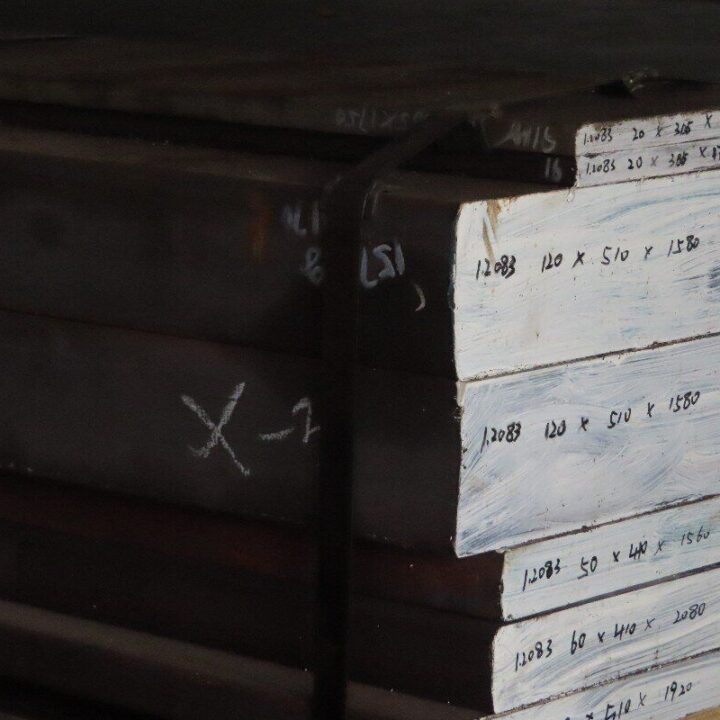
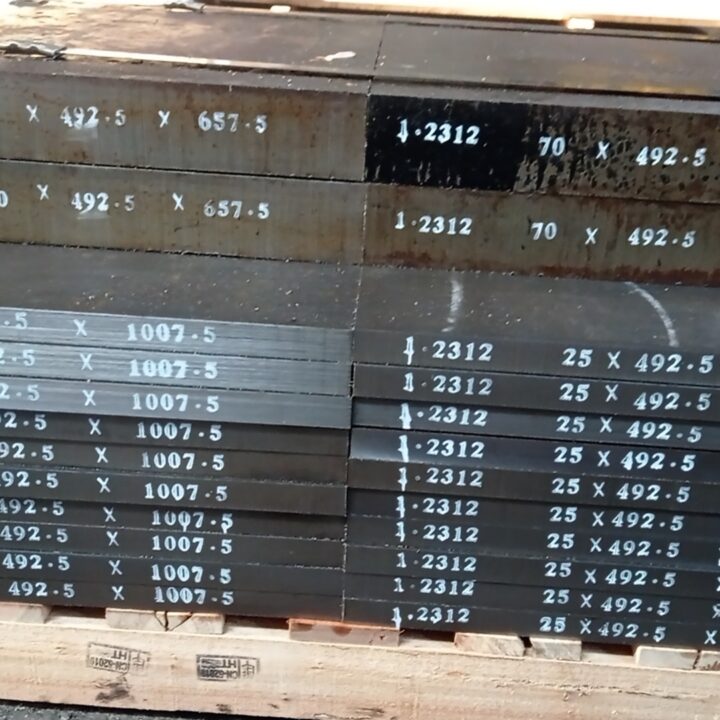
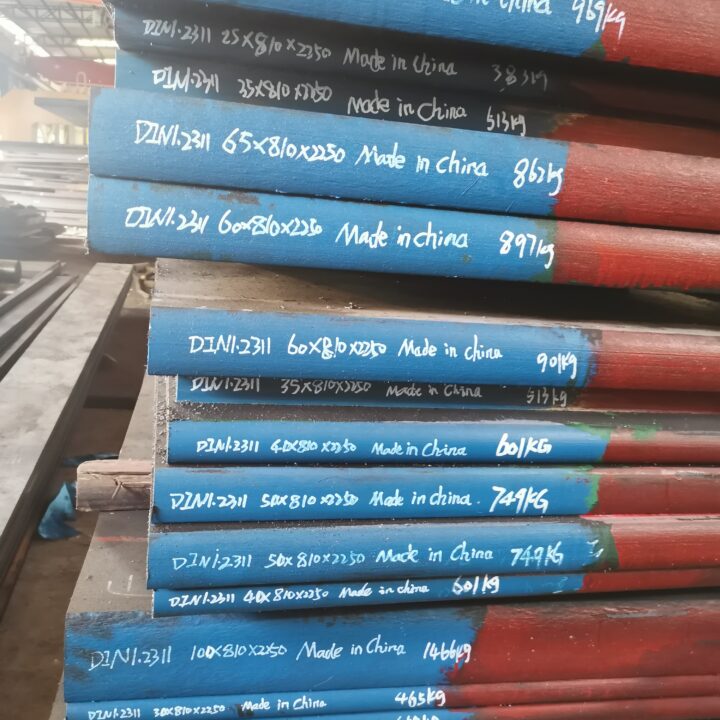
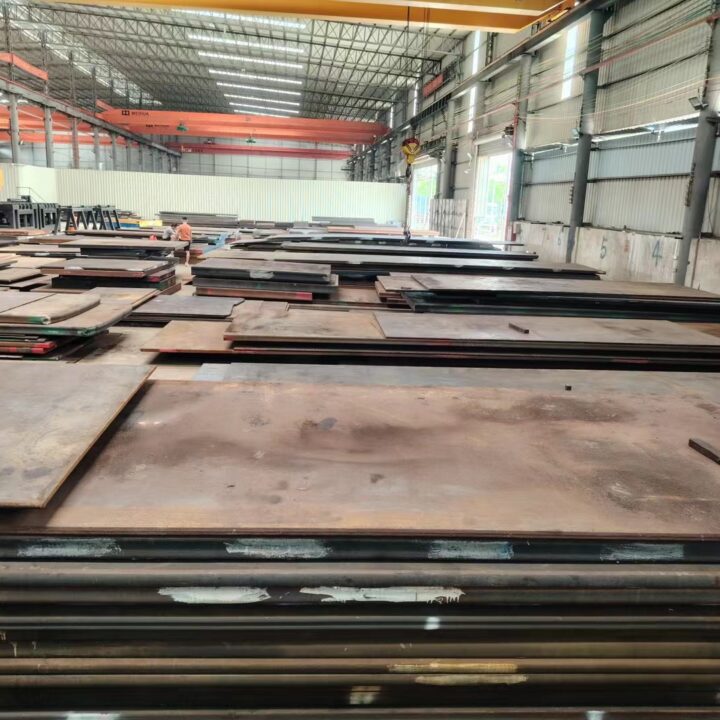
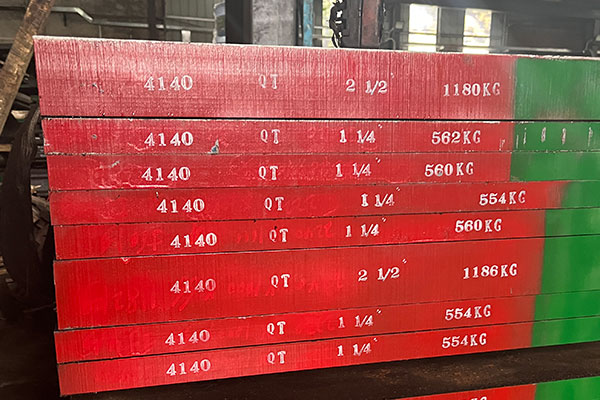
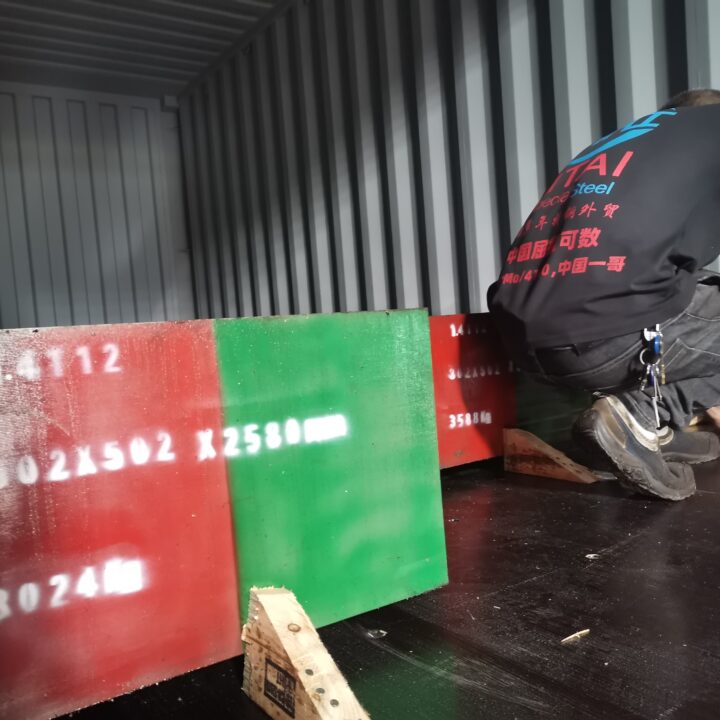
At Dongguan Otai Special Steel, we keep both 440C and 1.2083 in various dimensions to serve your exact needs. Whether you’re looking for round bars, flat bars, blocks, or cut-to-size billets, we’ve got you covered.
Typical Formats Available:
| Material | Round Bar | Flat Bar | Plate/Block | Customized Cut |
|---|---|---|---|---|
| 440C | ✅ | ✅ | ✅ | ✅ |
| 1.2083 | ✅ | ✅ | ✅ | ✅ |
If you want to get a quote or need technical help, send us an email at [email protected] or message on WhatsApp +8613642825398.