If you want a cold-work tool steel that just works—machines cleanly, hardens reliably in oil, and delivers durable edges without breaking the bank—O1 tool steel is the go-to classic.
Knife makers, mold and die shops, and maintenance teams choose O1 tool steel because it strikes a smart balance: great wear resistance, dependable toughness, and straightforward heat treatment. In this definitive guide, you’ll learn exactly what O1 is, how to process it for best results, where it shines (and where it doesn’t), and how it compares to alternatives like A2 and D2. If you need help picking the right stock size or heat-treat recipe for your parts, email [email protected] or message us on WhatsApp +8613642825398—we’ll get you a fast, practical answer.
Standards, Designations, and Typical Supply Conditions
-
AISI/SAE: O1
-
DIN/EN: 1.2510
-
JIS: SKS3
-
BS (historic): BO1
-
Typical delivery: Annealed to ~200–230 HB (ready to machine)
-
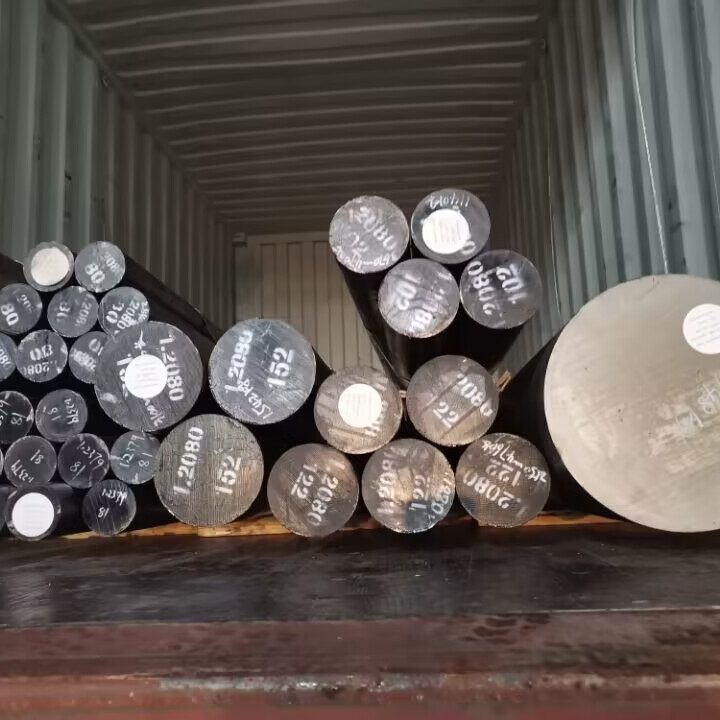
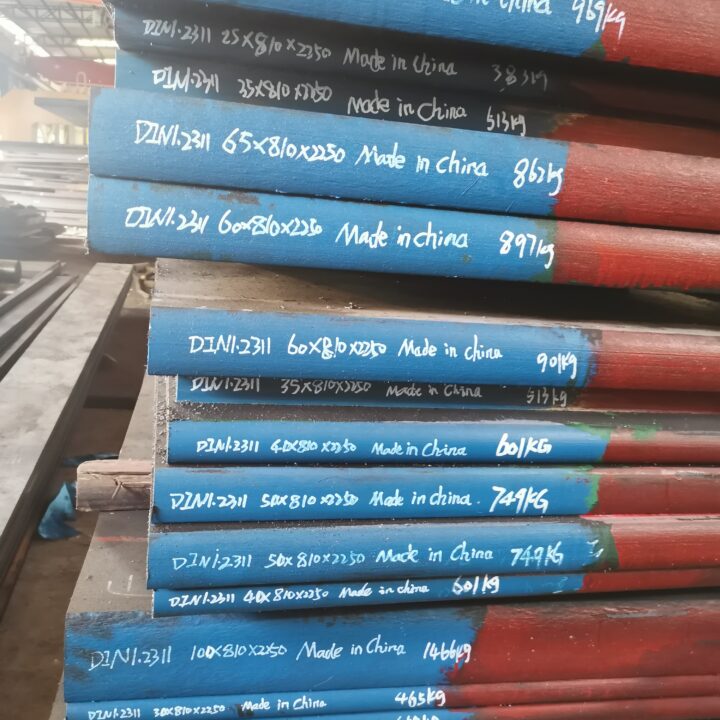
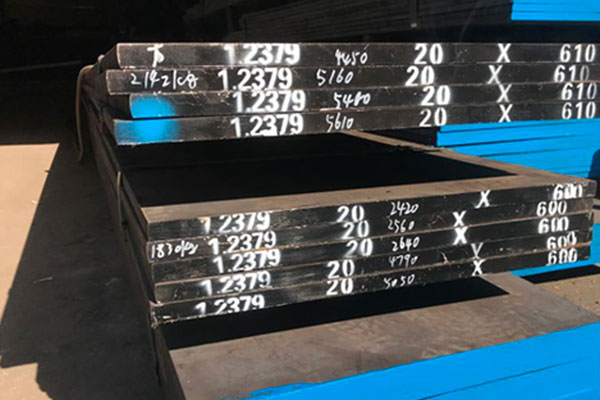
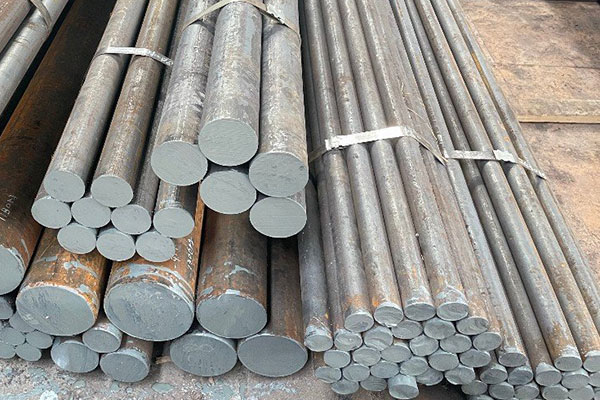
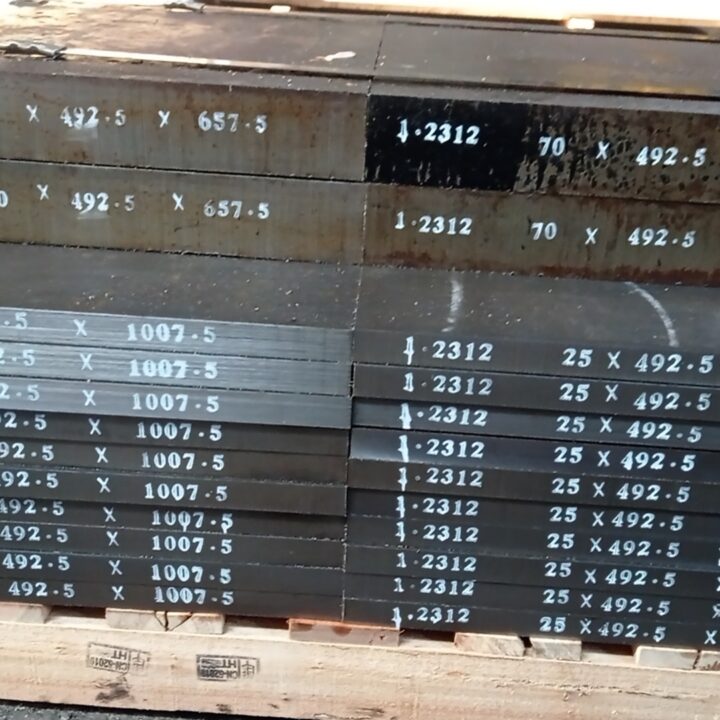
Common stock forms: Precision ground flats, plates, and rounds; oversize for grinding allowance
Chemical Composition of O1 (Typical Ranges)
| Element | Typical Range (%) | What It Does |
|---|---|---|
| Carbon (C) | 0.85 – 1.00 | Drives hardness/edge retention |
| Manganese (Mn) | 1.00 – 1.40 | Hardenability, strength |
| Chromium (Cr) | 0.40 – 0.60 | Wear resistance, hardenability |
| Tungsten (W) | 0.40 – 0.60 | Wear resistance via carbides |
| Vanadium (V) | 0.05 – 0.15 | Grain refinement, wear resistance |
| Silicon (Si) | 0.20 – 0.50 | Strength, deoxidation |
| Phosphorus (P) | ≤ 0.030 | Residual—control for toughness |
| Sulfur (S) | ≤ 0.030 | Residual—machinability, control carefully |
O1 vs. Popular Alternatives: Honest Comparison
| Property / Use Case | O1 (1.2510 / SKS3) | A2 (1.2363) | D2 (1.2379) | ||
|---|---|---|---|---|---|
| Hardening method | Oil | Air | Air/Oil | ||
| Typical HRC after HT | 58–63 | 58–61 | 58–62 | ||
| Wear resistance | Good | Good+ | Excellent (high carbides) | ||
| Toughness | Moderate | Good | Moderate- | ||
| Dimensional stability | Moderate | Very good | Good | ||
| Machinability (annealed) | Good | Fair-Good | Fair | ||
| Cost (relative) | $ | $$ | $$–$$$ | ||
| Best for | General shop tools, knives | Precision dies, better stability | High-wear dies, long runs | ||
| Not ideal for | Heavy shock, high temps | Extreme wear | Heavy impact |
Takeaway: If you need stable dimensions with less quench distortion, A2 wins. If you need maximum wear resistance for long runs, D2 wins. If you need practical performance + easy processing + value, O1 is the sweet spot.
Quality, Inspection, and Documentation You Can Expect
-
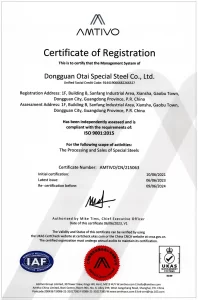
MTC / COA: EN 10204 3.1 certificates available on request.
-
Testing: Hardness checks after HT; microstructure verification for critical dies.
-
Ultrasonic (US) testing: For thick plates/large rounds to ensure internal integrity.
-
Dimensional control: Precision ground flats/rounds with tight tolerances available to reduce your machining time.