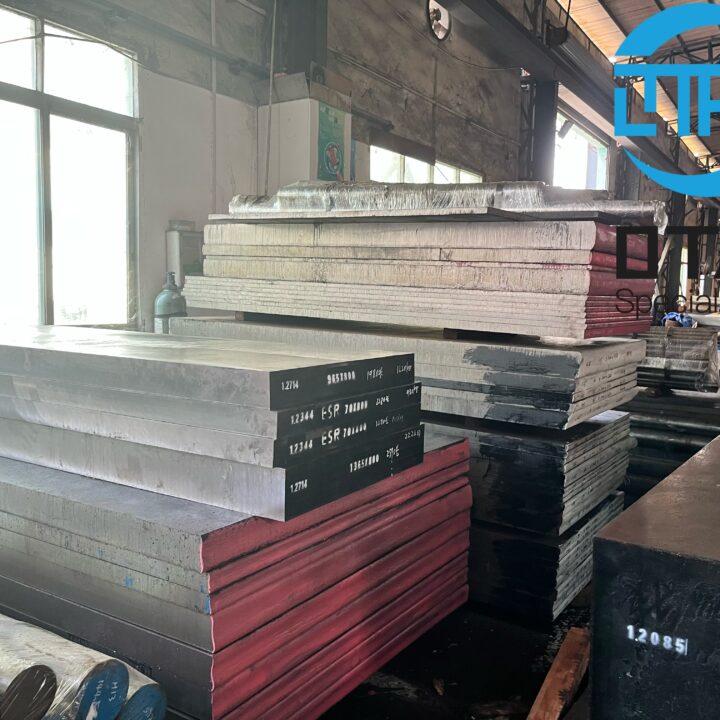
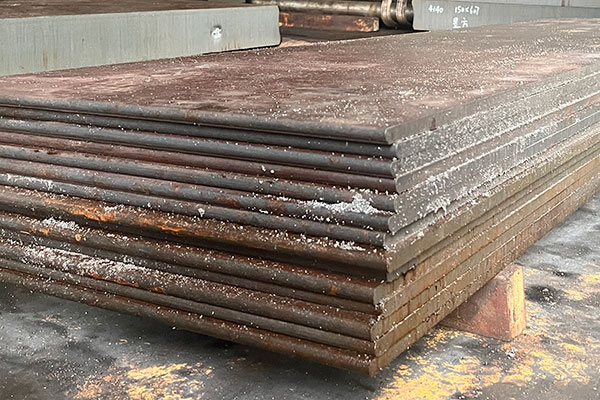
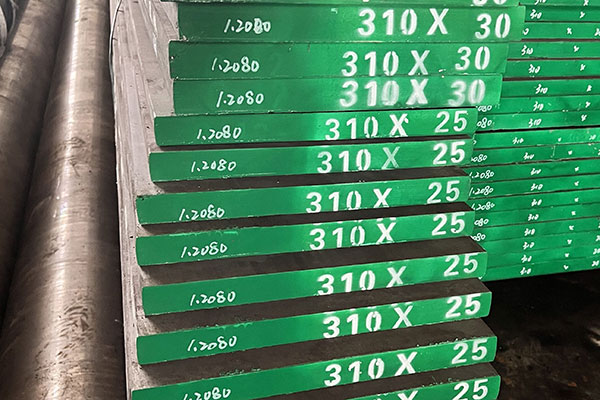
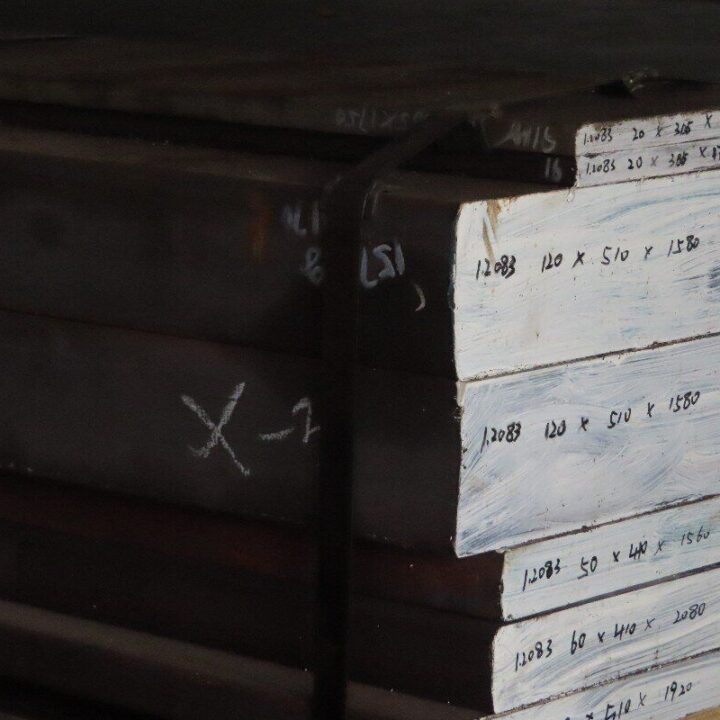
When it comes to mold manufacturing, every decision affects your bottom line—material choice, machining time, tool wear, and delivery speed. If you’re still using standard P20 or 1.2311 for all applications, you might be missing an opportunity to significantly reduce your production costs.
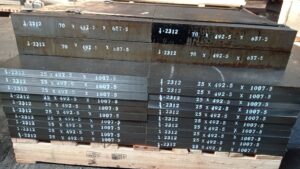 That’s where 1.2312 free-machining steel comes in.
So, what makes 1.2312 different—and why are more mold makers switching to it?
How Does 1.2312 Reduce Manufacturing Costs?
Let’s talk about what really matters—money and efficiency.
1. Faster Machining = Lower Labor Cost
Sulfur creates micro-inclusions (MnS) that act like built-in lubricants.
👉 Result:
-
Faster cutting speeds
-
Less resistance
-
Shorter machining time
Real Impact
-
Up to 20–30% faster machining
-
Reduced CNC machine hours
2. Less Tool Wear = Lower Tooling Cost
Machining standard 1.2311 can wear tools quickly.
But 1.2312?
👉 It’s much easier on cutting tools.
Benefits
-
Longer tool life
-
Fewer tool changes
-
Lower tooling cost
3. Reduced Energy Consumption
Shorter machining time + smoother cutting = less energy used.
👉 This becomes significant in:
-
Large mold bases
-
High-volume production
4. No Heat Treatment Needed
Like 1.2311, 1.2312 is supplied pre-hardened.
👉 So you save:
-
Heat treatment cost
-
Time delays
-
Risk of deformation
5. Improved Production Efficiency
Let’s be honest—time is money.
With 1.2312:
-
Machining is more predictable
-
Less downtime
-
Faster delivery to customers
👉 This improves your overall factory throughput.
When Should You NOT Use 1.2312?
Let’s be very clear—this is critical.
❌ Do NOT use 1.2312 for:
-
Mirror polishing molds
-
Optical lenses
-
High transparency plastic parts
-
Corrosion-resistant applications
👉 In these cases, choose:
-
1.2311
-
1.2738
-
1.2316
How to Maximize Cost Savings with 1.2312
Here’s how experienced buyers get the most value:
1. Use It Strategically
👉 Combine materials:
-
1.2312 → mold base
-
Higher-grade steel → cavity/core
2. Optimize Machining Parameters
Take advantage of its machinability:
-
Increase cutting speed
-
Reduce tool load
3. Choose Reliable Suppliers
Poor-quality 1.2312 can still cause:
-
Cracking
-
Inconsistent hardness
✔ Always check:
-
UT testing
-
Heat treatment quality
Conclusion
1.2312 free-machining steel is not just a material—it’s a cost-saving strategy.
If your goal is:
-
Faster machining
-
Lower tooling cost
-
Higher production efficiency
👉 Then 1.2312 is an excellent choice.
But remember:
⚠️ It is NOT suitable for high-polish or high-end applications.
The smartest approach?
👉 Use the right steel in the right place.
📩 Need a quote or technical advice?
We’re ready to support your project:
-
Email: rika@otaisteel.com
-
WhatsApp: +8613642825398