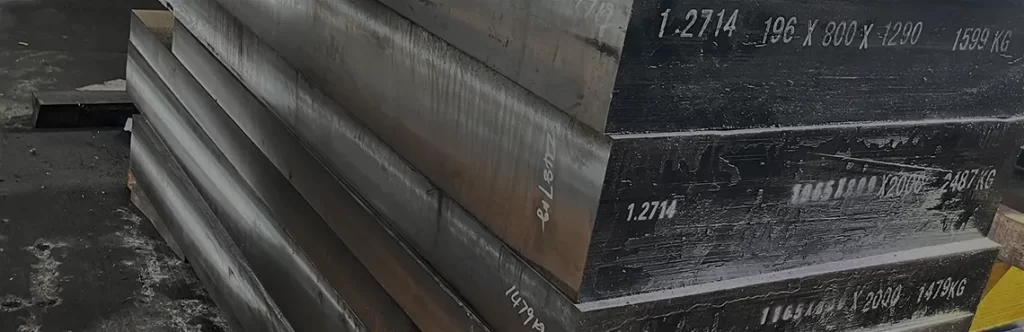
Common Mistakes When Buying 1.2714 Tool Steel
If you are purchasing 1.2714 steel from an international supplier, here are the most common mistakes you should avoid. 1. Buying Based on Price Alone The lowest quotation is […]
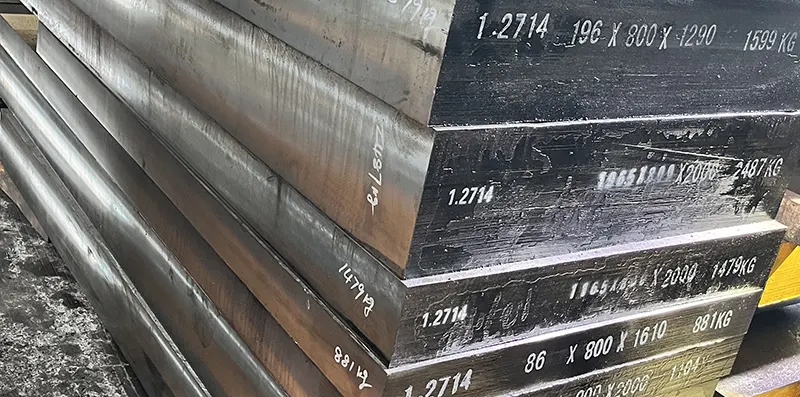
What Hardness Can 1.2714 Achieve?
The achievable hardness of 1.2714 tool steel (55NiCrMoV6) depends mainly on the heat treatment process, section size, cooling method, and tempering temperature. For most industrial applications, 1.2714 is not selected […]

Why Is 1.2316 Different From Ordinary Mold Steel?
When choosing mold steel, many engineers and purchasing managers ask the same question: “Why should I pay more for 1.2316 instead of using ordinary mold steel like P20 (1.2311) or […]
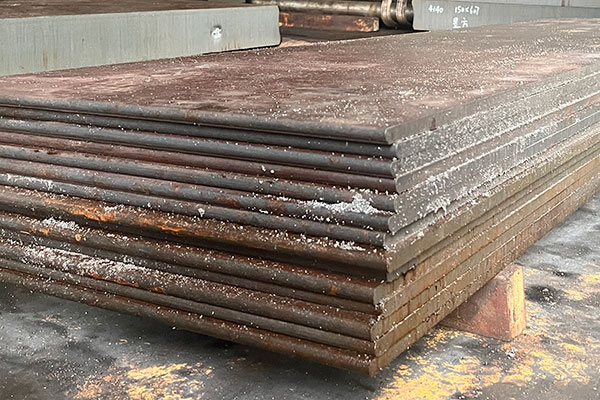
1.2316 Large Plates – Premium Corrosion-Resistant Mold Steel for High-End Plastic Molds
What Is 1.2316 Steel? 1.2316 is a chromium-molybdenum stainless plastic mold steel developed specifically for molds operating in humid or corrosive environments. Compared with ordinary mold steels such as 1.2311 […]
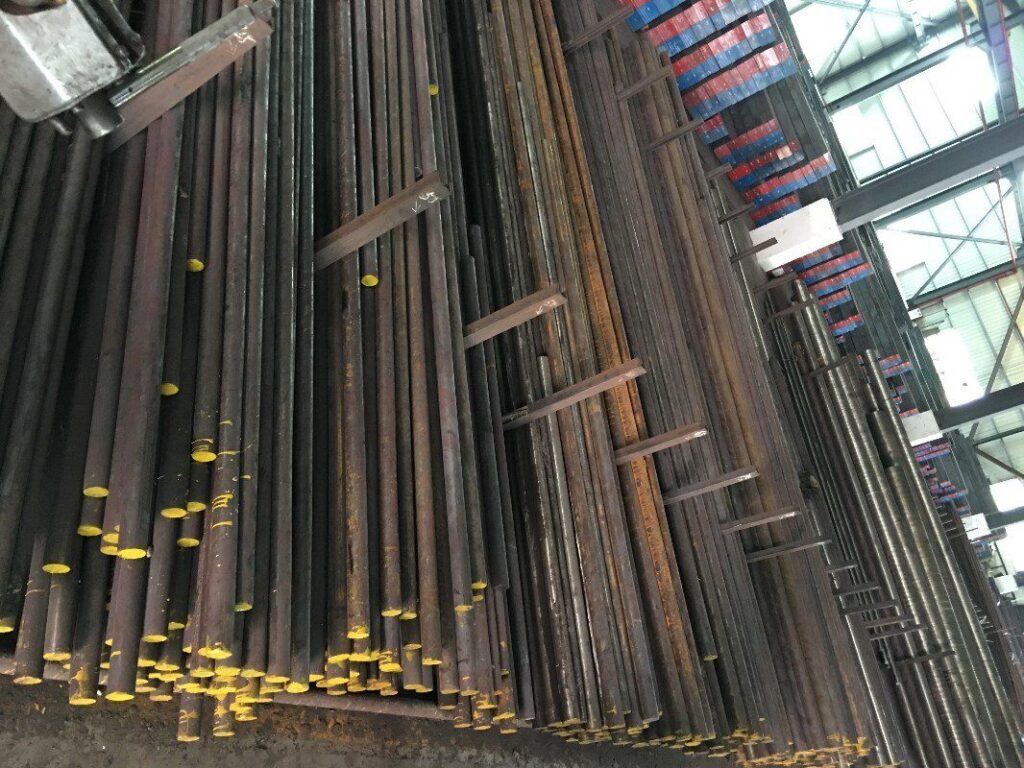
How to Buy 4140 Steel: A Complete Purchasing Guide
Choosing the correct steel grade is only the first step. Selecting the right supplier, delivery condition, size, testing requirements, and quality standard is equally important. Many buyers focus only on […]
Common Applications of 4140 Steel
One of the biggest reasons for the worldwide popularity of 4140 alloy steel is its versatility. Instead of being limited to one industry, 4140 steel is used across dozens of […]
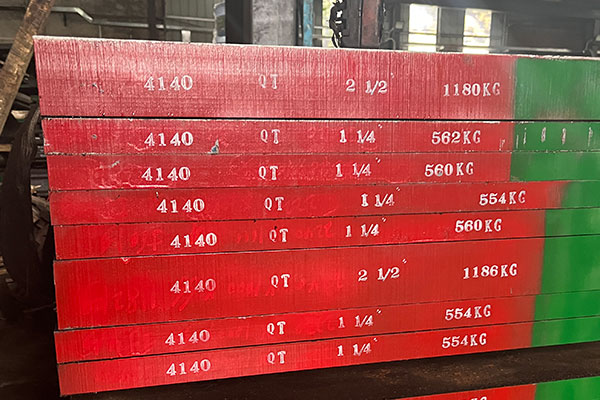
4140 Steel Heat Treatment: Unlocking Its Full Performance
One of the biggest reasons engineers choose 4140 alloy steel is its outstanding response to heat treatment. Unlike ordinary carbon steels, 4140 can achieve a wide range of mechanical properties […]
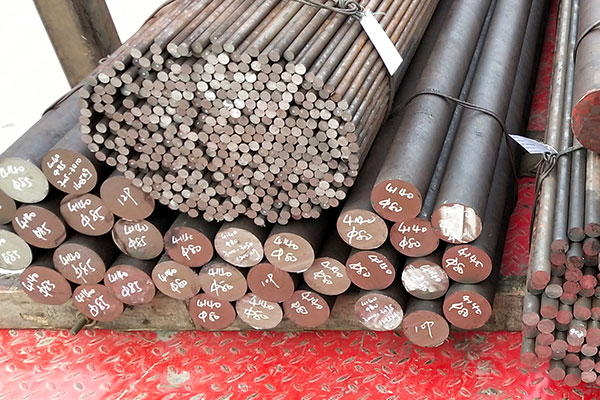
What Is 4140 Steel? Everything You Need to Know
What Is 4140 Steel? If you work in the machinery, automotive, oil & gas, mining, or heavy equipment industry, you’ve probably heard about 4140 steel. It is one of the […]
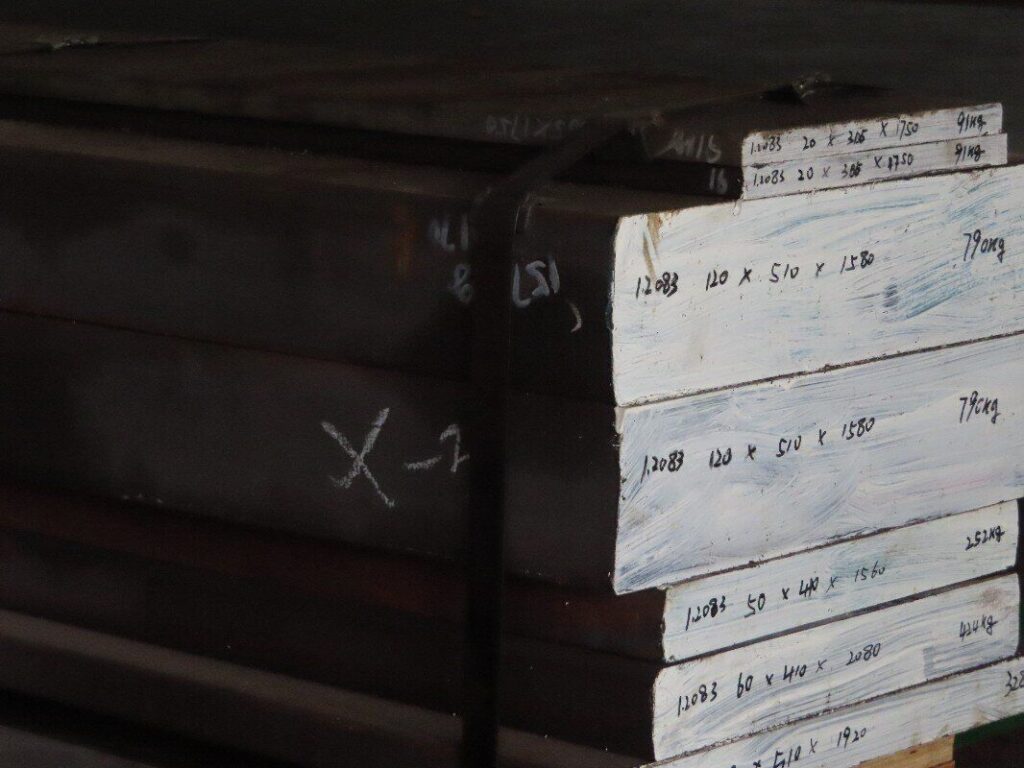
Why 1.2083 Stainless Mold Steel Causes Pit Holes After Machining | Cleanliness & Steelmaking Process Explained
If you are working with 1.2083 stainless mold steel (X42Cr13 / AISI 420 modified), you may have experienced a frustrating issue: After CNC machining, grinding, or mirror polishing, small defects […]
S355JR vs S355J2: Same Steel, But Not the Same Performance
What is S355 Structural Steel? S355 is a non-alloy structural steel grade widely used in Europe and global engineering markets. The naming is simple: S = Structural steel 355 = […]
Why Does 34CrNiMo6 (1.6582) Round Bar Distort During Machining? Straightness and Residual Stress Explained
Many machine shops have experienced the same frustrating problem. A 34CrNiMo6 (1.6582) round bar looks perfectly straight when it arrives. The straightness is within specification. However, after rough turning or […]
Which is cheaper, Cr12MoV or D2
Cr12MoV is generally cheaper than D2 tool steel. I n most global markets, Cr12MoV typically costs about 20%–30% less than D2, depending on size, manufacturer, and processing requirements. The main […]