Skip to Content

Category Archives: Uncategorized

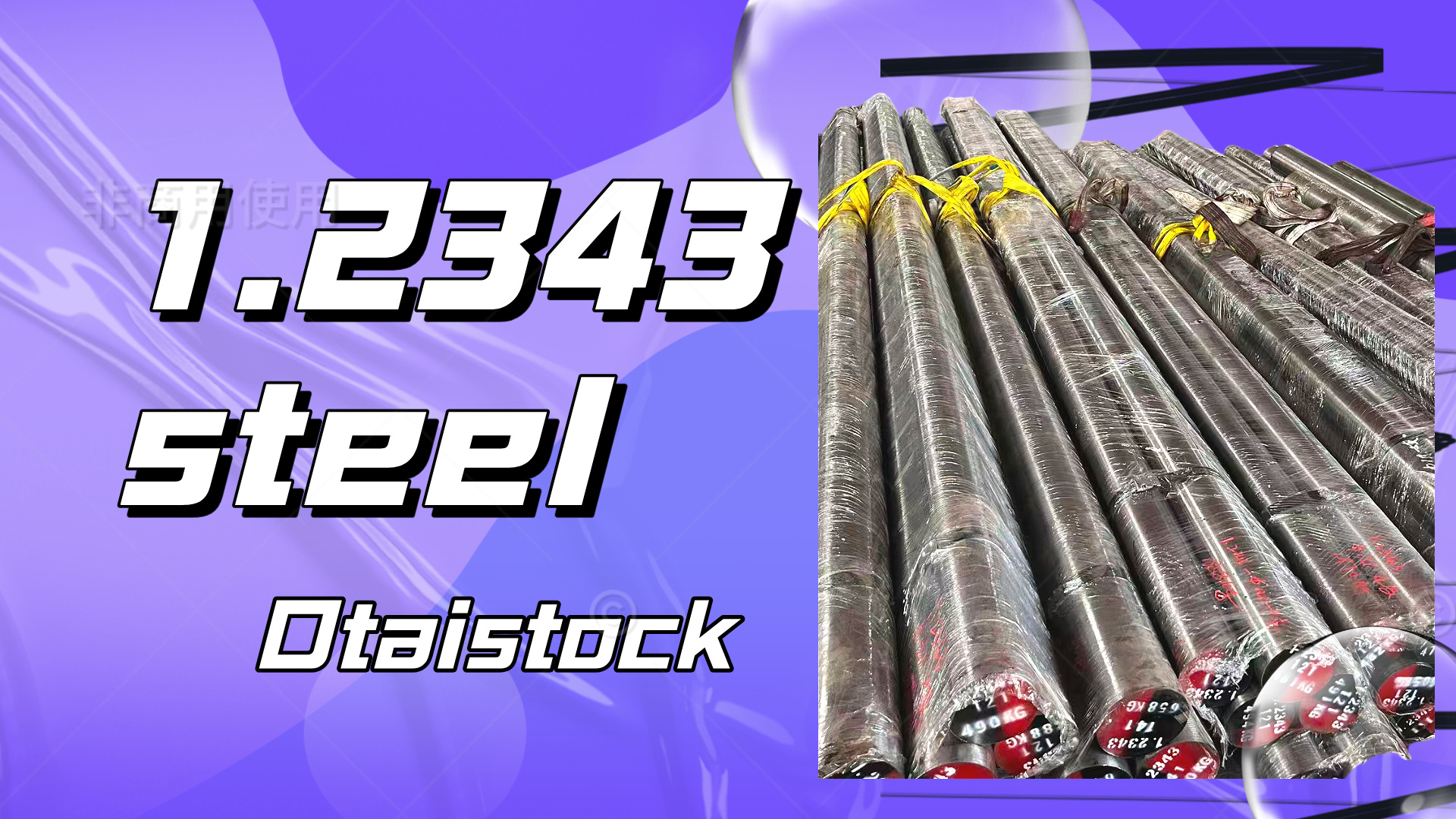
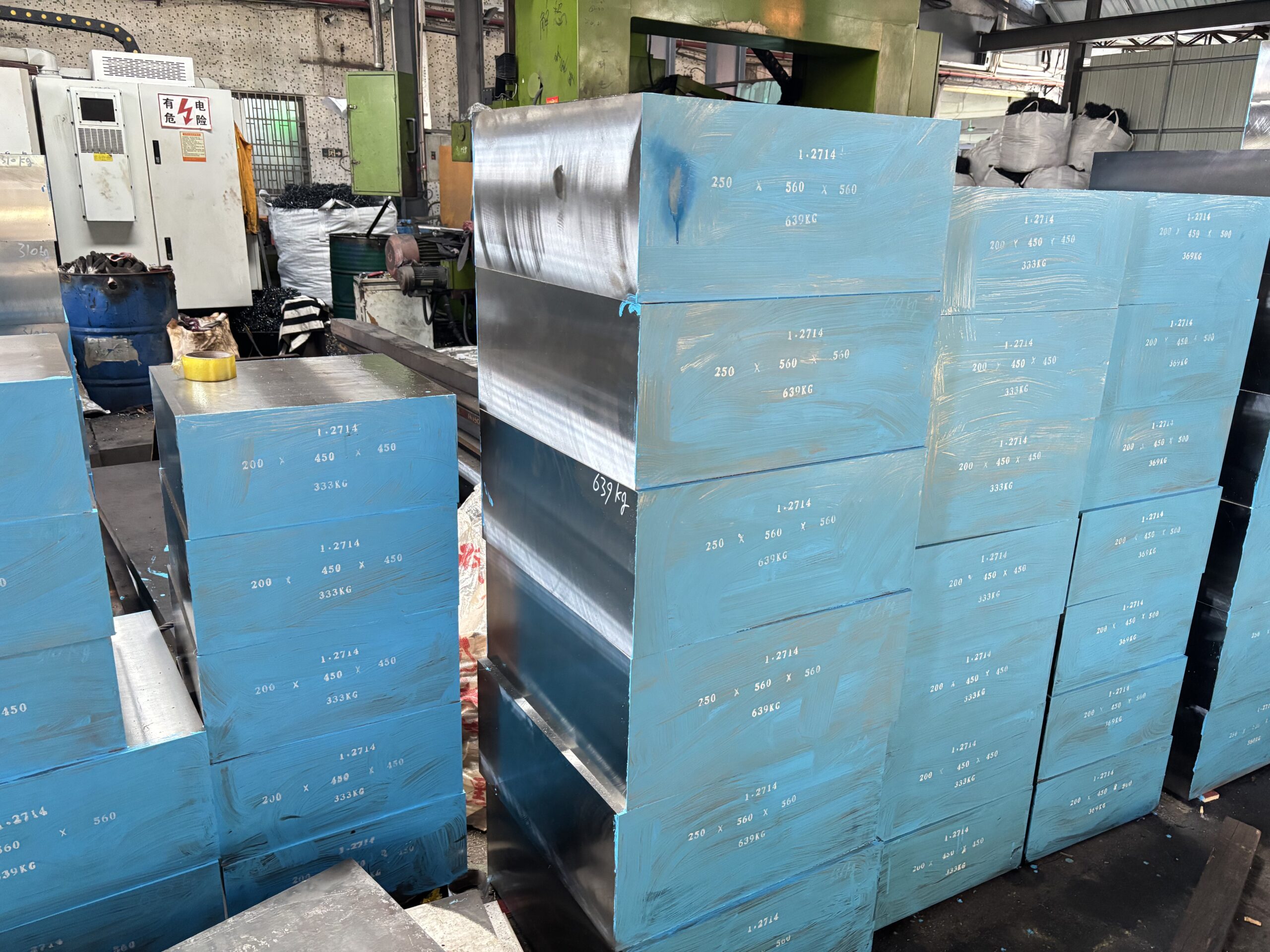
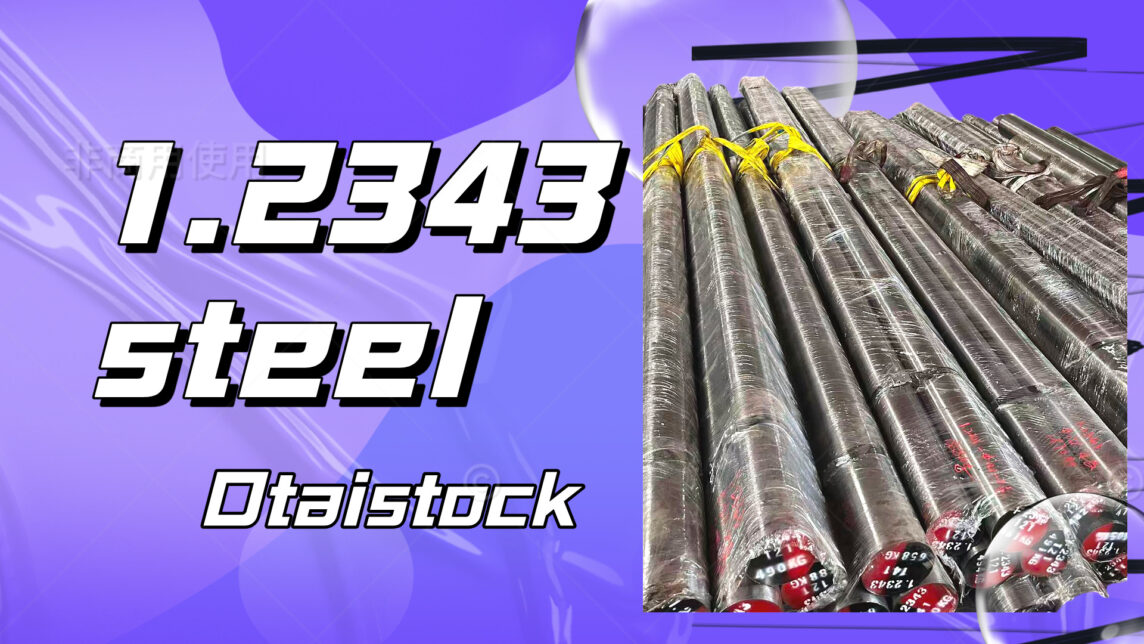
1.2343 Steel: Properties, Applications, and Complete Guide

When it comes to hot work tool steels, 1.2343 steel is one of the most widely used and trusted materials across industries such as automotive, die casting, forging, and plastic molding. Known for its excellent combination of toughness, thermal resistance, and wear resistance, 1.2343 is often compared to 1.2344 (H13).

Learn everything about 1.2343 steel (H11): chemical composition, mechanical properties, heat treatment, advantages, and comparison with 1.2344. Find the best applications and contact Otai Special Steel for supply.


What is 1.2343 Steel?

1.2343 is a hot work tool steel standardized under DIN EN ISO. In the U.S., it is often compared to H11 tool steel.

Key features of 1.2343 steel include:

  • Excellent toughness

  • Good resistance to thermal fatigue cracking

  • High hardenability

  • Better resistance to shock loading compared to 1.2344


Chemical Composition of 1.2343

Element Content (%)
Carbon (C) 0.32 – 0.39
Silicon (Si) 0.80 – 1.20
Manganese (Mn) 0.20 – 0.50
Chromium (Cr) 4.80 – 5.50
Molybdenum (Mo) 1.10 – 1.40
Vanadium (V) 0.30 – 0.60

👉 The relatively lower vanadium content compared to 1.2344 makes 1.2343 tougher and more resistant to shock loads.


Mechanical Properties

Property Value
Tensile Strength (N/mm²) 1000 – 1300
Yield Strength (N/mm²) 850 – 1000
Hardness (Annealed) ~ 200 HB
Hardness (After Heat Treatment) 44 – 52 HRC
Impact Toughness High


1.2343 vs 1.2344 Steel

Property 1.2343  (H11) 1.2344  (H13)
Toughness Higher Lower
Wear Resistance Lower Higher
Thermal Resistance Good Excellent
Shock Resistance Excellent Moderate

👉 If you need higher toughness and resistance to cracking, choose 1.2343.
👉 If you need higher wear resistance under extreme heat, choose 1.2344.


Applications of 1.2343 

  1. Die Casting Molds – aluminum, magnesium, and zinc alloys

  2. Forging Dies – hammer dies, press dies

  3. Extrusion Tools – extrusion dies for non-ferrous metals

  4. Plastic Molds – especially when requiring high toughness

  5. Aircraft Components – parts requiring thermal resistance


Advantages 

  • Excellent impact strength

  • Good machinability in annealed condition

  • High thermal fatigue resistance

  • Can be used in both hot and cold work applications

  • Lower risk of cracking compared to 1.2344


Cost Consideration

  • 1.2343 steel is usually more affordable than 1.2344, due to lower alloying content.

  • Best for projects where toughness and crack resistance are more important than extreme wear resistance.


Conclusion

1.2343 steel is a reliable hot work tool steel that offers a great balance of toughness, thermal resistance, and cost-effectiveness. It is especially suited for die casting, forging, and extrusion applications where cracking and impact resistance are critical.

At Dongguan Otai Special Steel, we supply 1.2343 in different sizes and heat-treatment conditions. If you’re considering whether 1.2343 is the right material for your project, feel free to contact us—we’re here to help.

📧 Email: [email protected]
📱 WhatsApp: +8613642825398
0 Continue Reading →

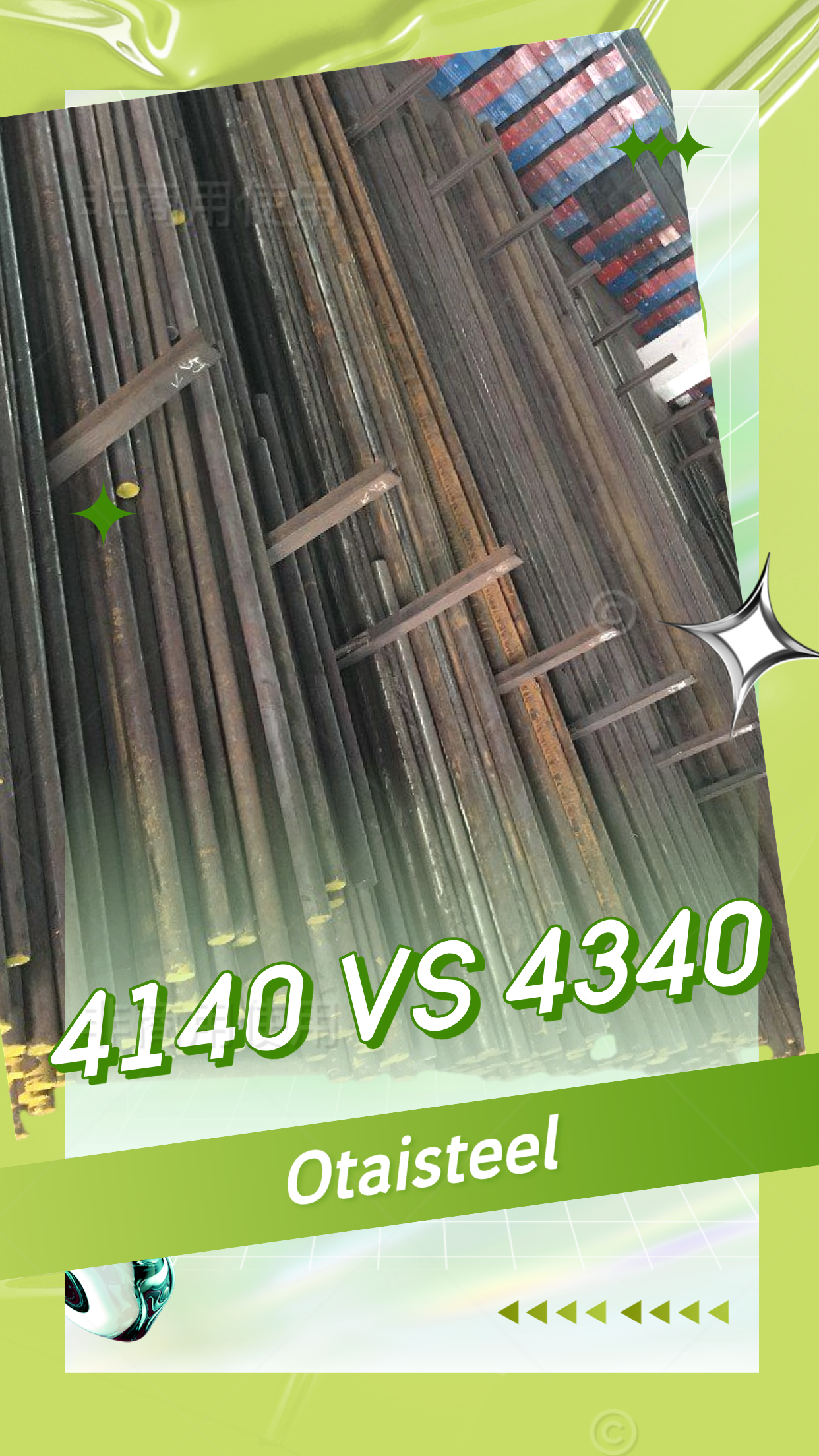
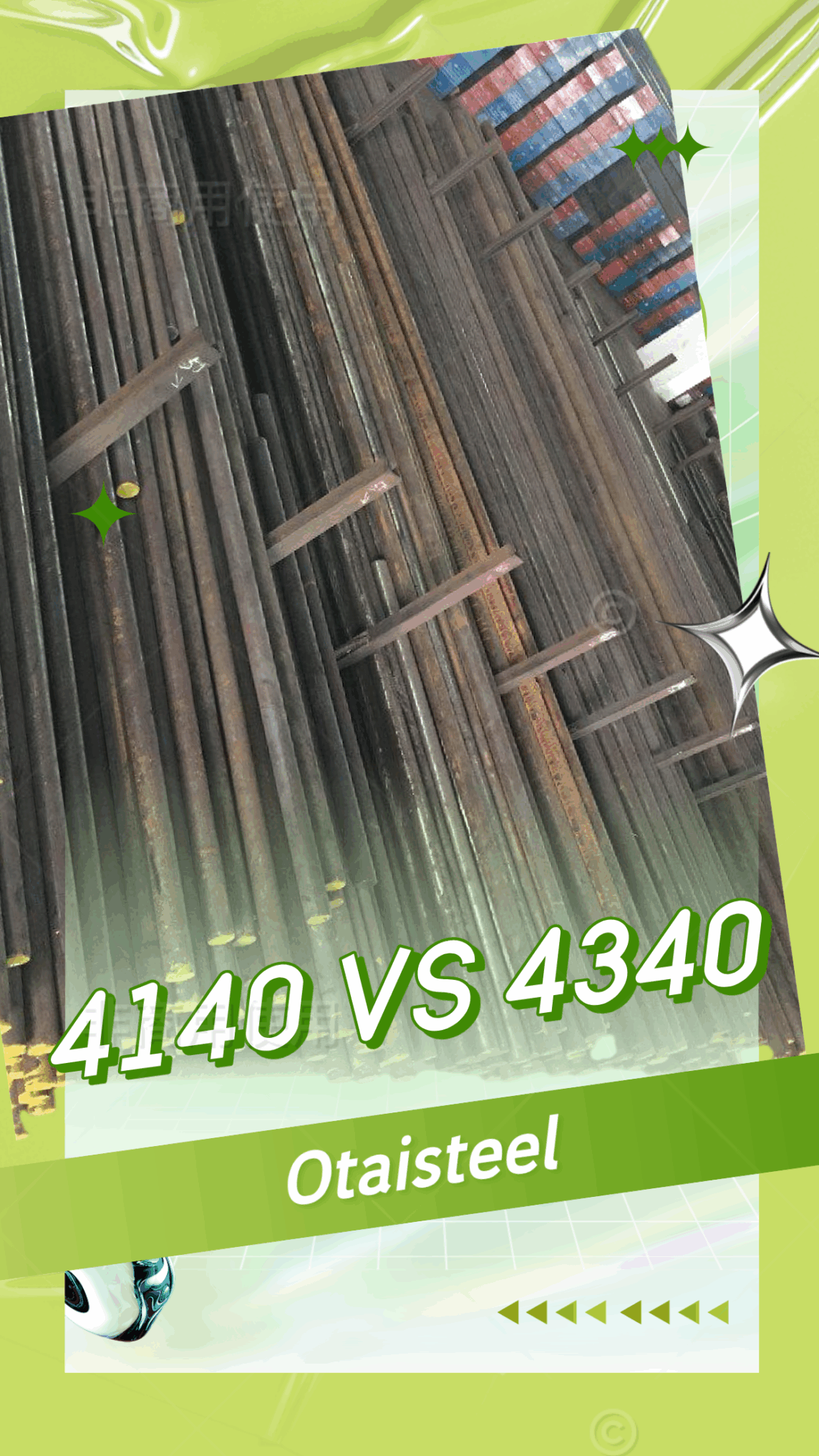
4140 vs 4340 Steel | Properties, Differences & Applications

When it comes to alloy steels, two of the most commonly discussed grades are 4140 steel and 4340 steel. Both belong to the chromium-molybdenum family, but they each have unique characteristics that make them suitable for different industrial applications. If you’ve ever wondered which one is better for your project, this article will walk you through everything you need to know.

We’ll cover their chemical composition, mechanical properties, toughness, machinability, heat treatment, applications, and most importantly, the key differences that will help you decide.


What is 4140 Steel?

4140 is a versatile chromium-molybdenum alloy steel with about 0.40% carbon. It is known for its balance of strength, hardness, and toughness.

  • It is often supplied in the quenched and tempered condition.

  • 4140 is commonly used in gears, shafts, axles, and machinery components.

  • Cost-wise, it is more affordable compared to 4340.

In short, think of 4140 as the “workhorse” alloy steel: reliable, cost-effective, and suitable for a wide variety of applications.


What is 4340 Steel?

4340, on the other hand, is a nickel-chromium-molybdenum alloy steel. The nickel content gives it an extra edge in toughness and fatigue resistance.

  • With about 1.65–2.00% nickel, 4340 offers excellent hardenability and impact resistance.

  • It is widely used in aircraft landing gear, crankshafts, connecting rods, and oil & gas drilling tools.

  • Compared to 4140, 4340 is stronger but also more expensive.

If 4140 is the workhorse, then 4340 is the “athlete” of alloy steels—built for extreme performance.


Chemical Composition Comparison

Here’s a quick look at the chemical composition of both steels:

Element 4140 Steel (%) 4340 Steel (%)
Carbon (C) 0.38 – 0.43 0.38 – 0.43
Manganese (Mn) 0.75 – 1.00 0.60 – 0.80
Chromium (Cr) 0.80 – 1.10 0.70 – 0.90
Molybdenum (Mo) 0.15 – 0.25 0.20 – 0.30
Nickel (Ni) 1.65 – 2.00
Silicon (Si) 0.15 – 0.35 0.15 – 0.30

👉 Key difference: The addition of nickel in 4340 is the game-changer, improving its toughness, impact resistance, and hardenability.


Mechanical Properties

Both steels can be heat-treated to achieve a wide range of strengths and hardness.

Property 4140 Steel (Typical) 4340 Steel (Typical)
Tensile Strength 655 – 1080 MPa 745 – 1860 MPa
Yield Strength 415 – 930 MPa 470 – 1600 MPa
Hardness (HB) 197 – 302 217 – 331
Elongation (%) 12 – 25 10 – 20
Impact Toughness Good Excellent

👉 4340 is clearly stronger and tougher than 4140, especially after heat treatment.

Applications of 4140 vs 4340 steel

Industry 4140 Steel Applications 4340 Steel Applications
Automotive Axles, gears, shafts Crankshafts, transmission parts
Aerospace Landing gear components (limited) Landing gear, turbine shafts
Oil & Gas Drill collars, tools Drill bits, downhole tools
Machinery Bolts, couplings, spindles High-stress machine parts
Defense Armor, weapon components

Cost Comparison: 4140 VS 4340 steel

  • 4140 steel is cheaper because it doesn’t contain nickel.

  • 4340 steel is more expensive but offers superior performance in critical applications.

If budget is tight and performance demands are moderate → 4140.
If safety and reliability in extreme conditions are critical → 4340.


Which One Should You Choose?

Here’s the bottom line:

  • Choose 4140 if you need a cost-effective alloy steel for general engineering and automotive applications.

  • Choose 4340 if you need maximum strength, toughness, and fatigue resistance for aerospace, defense, or oil & gas.


Conclusion

Both 4140 and 4340 steels are excellent choices, but they serve different purposes. 4140 is more affordable, versatile, and easier to machine, while 4340 provides superior toughness and performance under extreme conditions.

At Dongguan Otai Special Steel, we stock and supply both 4140 and 4340 steels in various sizes and heat-treatment conditions. If you’re unsure which one fits your project best, feel free to reach out to us for expert advice.

📧 Email: [email protected]
📱 WhatsApp: +8613642825398
0 Continue Reading →

No Corrosion Needed? Choose Smarter! 1.2510 I O1Tool steel

If you want a cold-work tool steel that just works—machines cleanly, hardens reliably in oil, and delivers durable edges without breaking the bank—O1 tool steel is the go-to classic.

Knife makers, mold and die shops, and maintenance teams choose O1 tool steel because it strikes a smart balance: great wear resistance, dependable toughness, and straightforward heat treatment. In this definitive guide, you’ll learn exactly what O1 is, how to process it for best results, where it shines (and where it doesn’t), and how it compares to alternatives like A2 and D2. If you need help picking the right stock size or heat-treat recipe for your parts, email [email protected] or message us on WhatsApp +8613642825398—we’ll get you a fast, practical answer.


Standards, Designations, and Typical Supply Conditions

  • AISI/SAE: O1

  • DIN/EN: 1.2510

  • JIS: SKS3

  • BS (historic): BO1

  • Typical delivery: Annealed to ~200–230 HB (ready to machine)

  • Common stock forms: Precision ground flats, plates, and rounds; oversize for grinding allowance


Chemical Composition of O1 (Typical Ranges)

Element Typical Range (%) What It Does
Carbon (C) 0.85 – 1.00 Drives hardness/edge retention
Manganese (Mn) 1.00 – 1.40 Hardenability, strength
Chromium (Cr) 0.40 – 0.60 Wear resistance, hardenability
Tungsten (W) 0.40 – 0.60 Wear resistance via carbides
Vanadium (V) 0.05 – 0.15 Grain refinement, wear resistance
Silicon (Si) 0.20 – 0.50 Strength, deoxidation
Phosphorus (P) ≤ 0.030 Residual—control for toughness
Sulfur (S) ≤ 0.030 Residual—machinability, control carefully


O1 vs. Popular Alternatives: Honest Comparison

Property / Use Case O1 (1.2510 / SKS3) A2 (1.2363) D2 (1.2379)
Hardening method Oil Air Air/Oil
Typical HRC after HT 58–63 58–61 58–62
Wear resistance Good Good+ Excellent (high carbides)
Toughness Moderate Good Moderate-
Dimensional stability Moderate Very good Good
Machinability (annealed) Good Fair-Good Fair
Cost (relative) $ $$ $$–$$$
Best for General shop tools, knives Precision dies, better stability High-wear dies, long runs
Not ideal for Heavy shock, high temps Extreme wear Heavy impact

Takeaway: If you need stable dimensions with less quench distortion, A2 wins. If you need maximum wear resistance for long runs, D2 wins. If you need practical performance + easy processing + value, O1 is the sweet spot.


Quality, Inspection, and Documentation You Can Expect

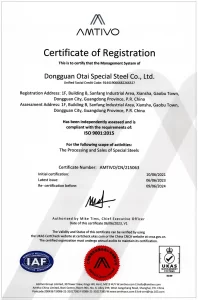
ISO 9001 2023 EN quality is number to all our steel material delivered to you.

  • MTC / COA: EN 10204 3.1 certificates available on request.

  • Testing: Hardness checks after HT; microstructure verification for critical dies.

  • Ultrasonic (US) testing: For thick plates/large rounds to ensure internal integrity.

  • Dimensional control: Precision ground flats/rounds with tight tolerances available to reduce your machining time.


0 Continue Reading →

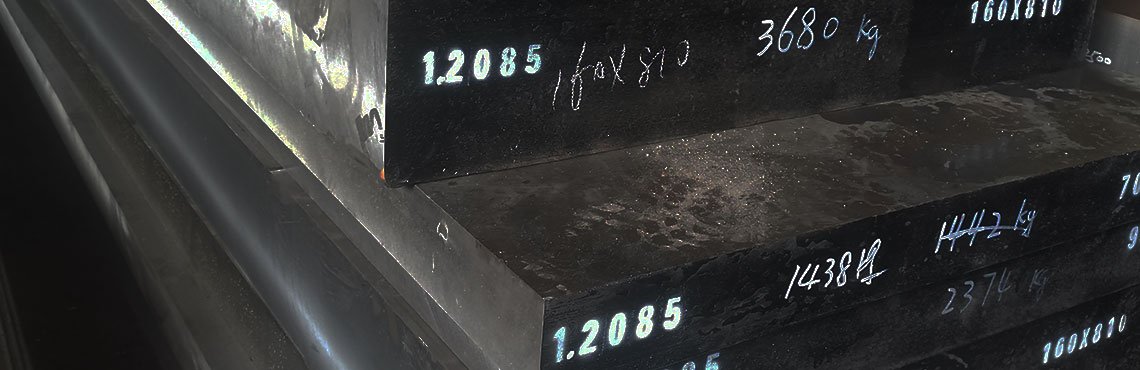
Slash Machining Costs by 40%: 1.2085 Free-Cutting Mold Steel

In the competitive manufacturing world, reducing machining time and costs while maintaining product quality is the ultimate goal. 1.2085 free-cutting mold steel is engineered to do exactly that. With its unique composition and processing advantages, this material offers manufacturers the ability to cut machining costs by up to 40%, without sacrificing mold performance.
What is 1.2085 Free-Cutting Mold Steel?

1.2085 is a pre-hardened stainless mold steel that is modified for improved machinability. By adding elements like sulfur in controlled amounts, the steel becomes easier to cut, allowing for faster machining speeds and reduced tool wear. Despite these modifications, it still maintains excellent corrosion resistance and good hardness.


Chemical Composition of 1.2085


Element Composition (%)
Carbon (C) 0.30 – 0.40
Chromium (Cr) 12.0 – 14.0
Manganese (Mn) 1.00 max
Silicon (Si) 1.00 max
Sulfur (S) 0.05 – 0.15


Why 1.2085 Can Slash Machining Costs by 40%


  1. Faster Machining Speeds: Less resistance during cutting allows CNC machines to run faster without compromising accuracy.
  2. Longer Tool Life: Reduced friction means cutting tools last longer, lowering tool replacement costs.
  3. Less Energy Consumption: Shorter machining cycles require less machine run-time, saving electricity.
  4. Lower Labor Costs: Faster production cycles mean fewer man-hours per mold.


Properties of 1.2085  Steel


  • Hardness: 28-34 HRC (pre-hardened)
  • Excellent Corrosion Resistance due to its chromium content
  • Good Dimensional Stability during machining
  • High Surface Finish Quality
  • Excellent Polishability for optical-grade mold surfaces

1.2085 vs. 1.2083: Which One Should You Choose?

Property 1.2085 1.2083
Machinability Excellent Moderate
Corrosion Resistance High High
Hardness 28-34 HRC 28-34 HRC
Cost Efficiency Higher Standard
Polishability Excellent Excellent

Conclusion

For mold makers aiming to reduce production costs without compromising quality, 1.2085 free-cutting mold steel is a game-changer. Its unique balance of machinability, corrosion resistance, and pre-hardened strength makes it a top choice for high-efficiency mold production. By switching to 1.2085, you could see up to 40% savings in machining costs—a competitive advantage in today’s manufacturing market.


Contact [email protected] or WhatsApp +8613642825398 to get expert advice and competitive prices for 1.2085 mold steel.


0 Continue Reading →

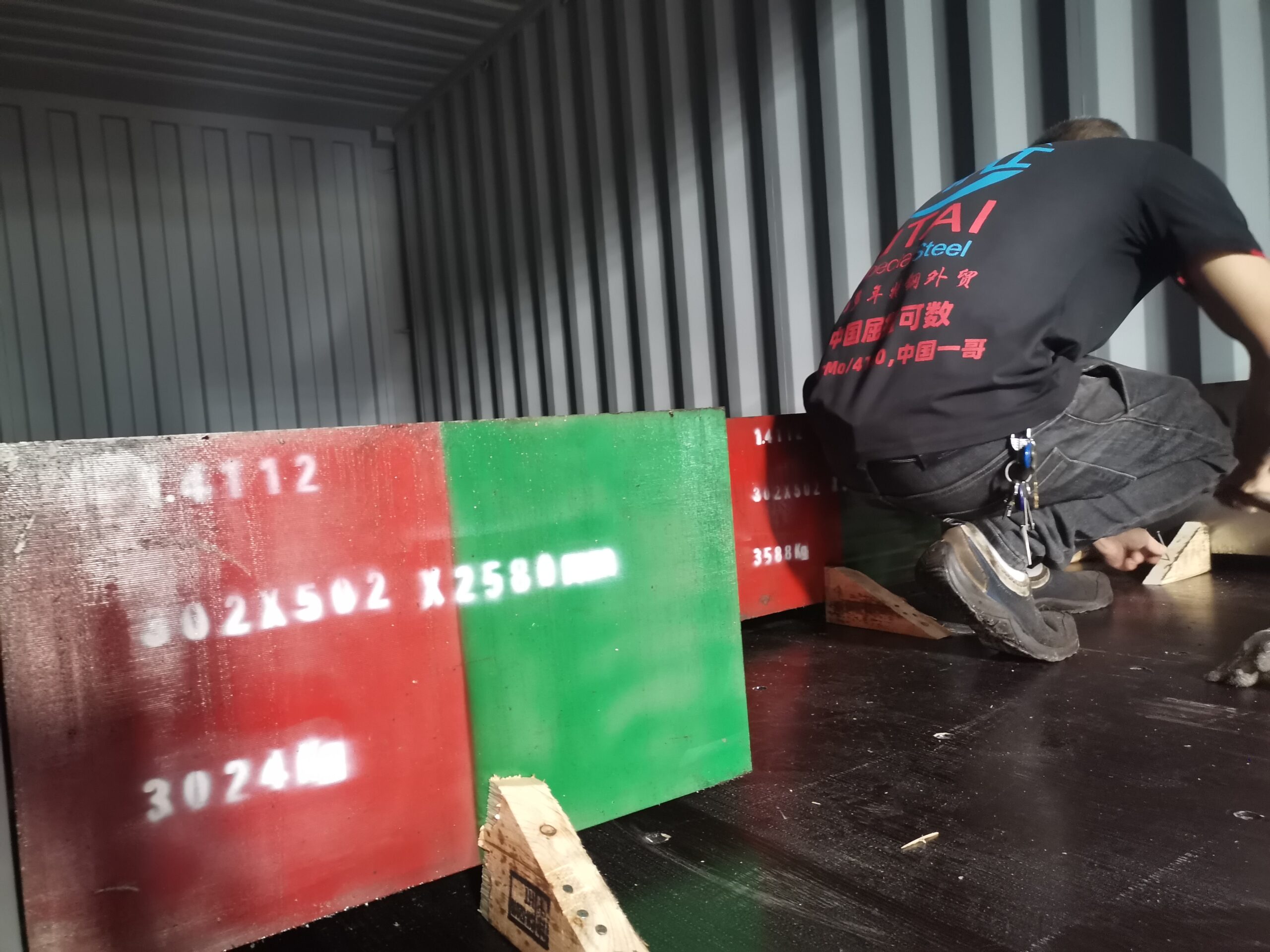
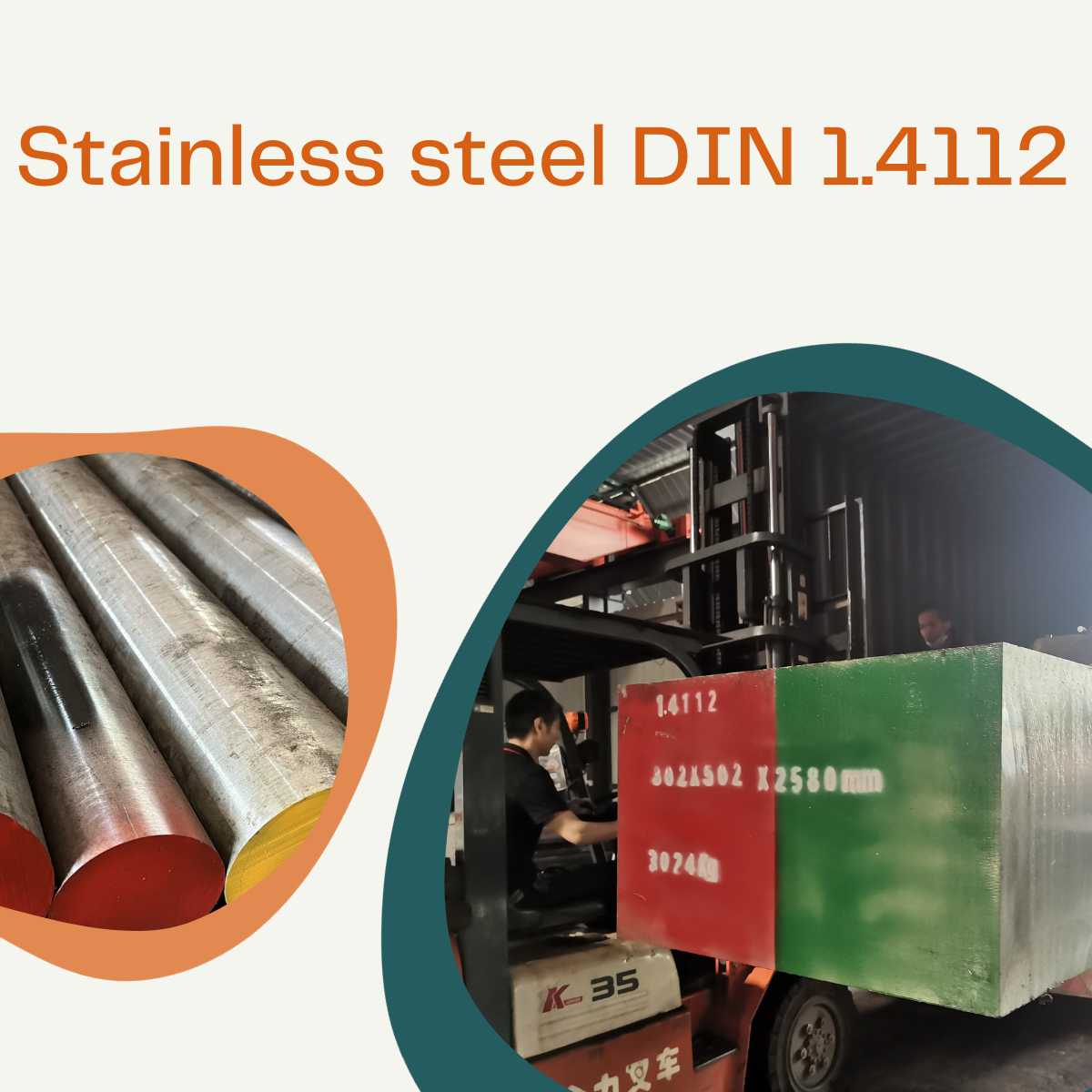
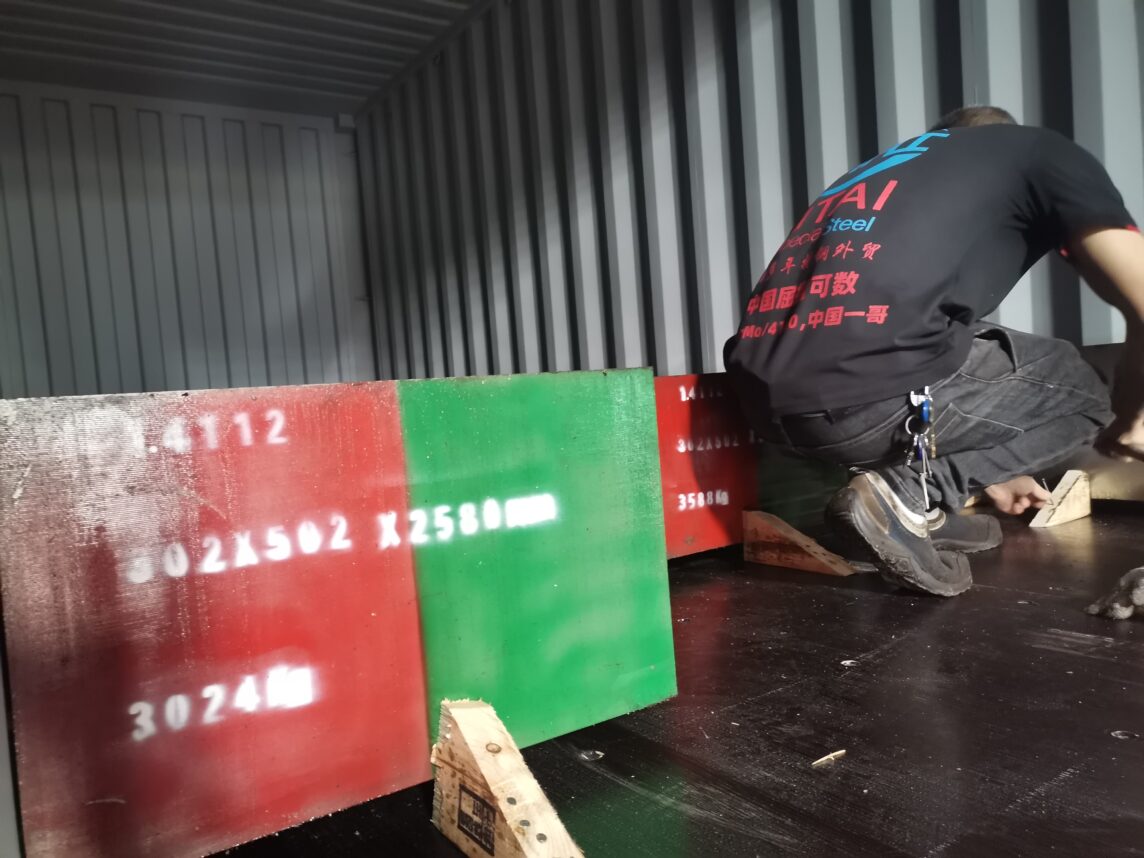
Sharper, Stronger, Longer-Lasting: Meet 1.4112 Precision Blade Steel

Sharper, Stronger, Longer-Lasting: Meet 1.4112 Precision Blade Steel

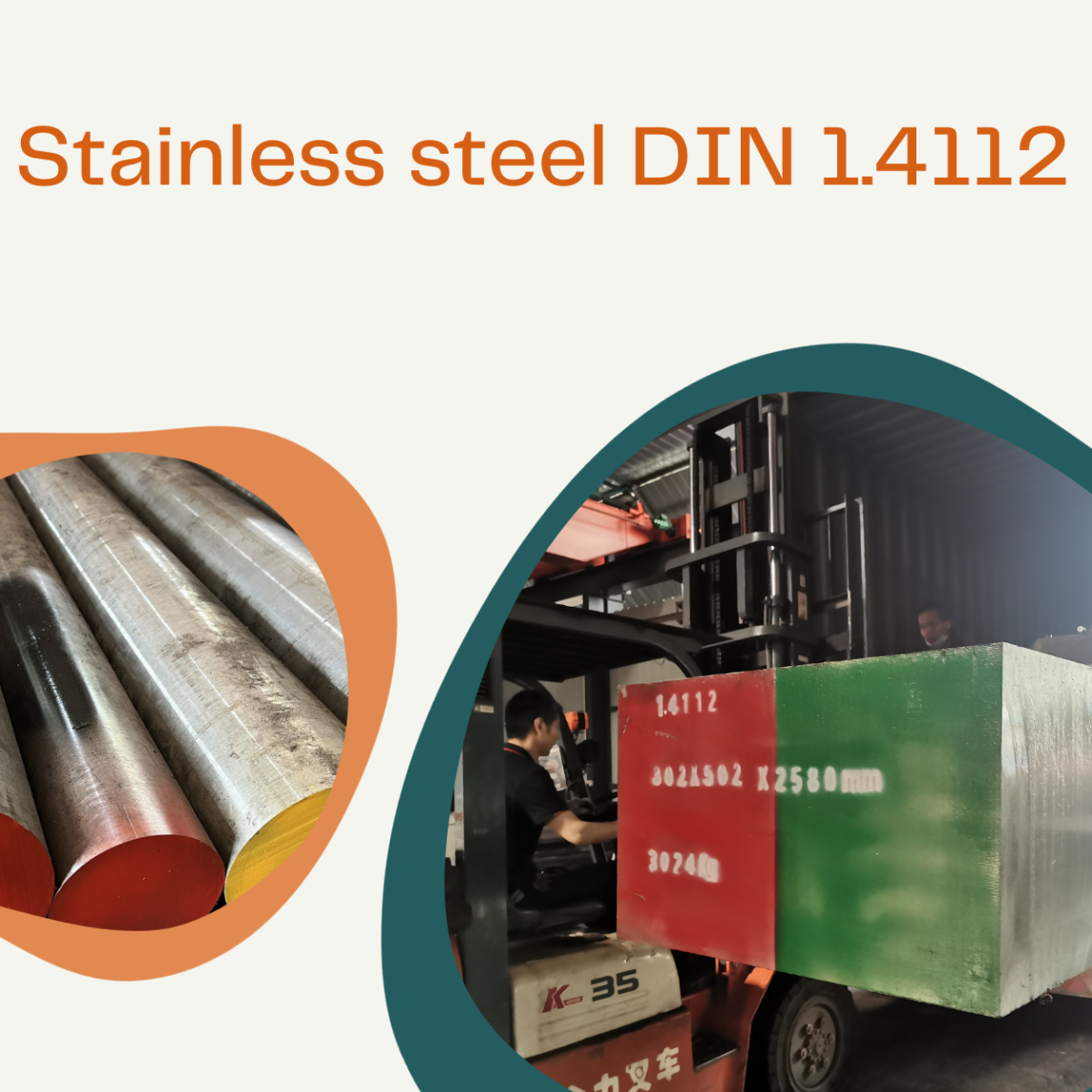
DIN WR. 1.4112 stainless steel best supplier with best priceWhen you think of the perfect blade, you imagine something that slices effortlessly, holds its edge through countless uses, and resists the wear and tear of time. That’s exactly where 1.4112 precision blade steel shines.
This high-carbon stainless steel has become a favorite among professional knife makers, surgical instrument manufacturers, and precision tool engineers because it combines the best of sharpness, strength, and longevity.

Precision Sharpness That Lasts

Thanks to its fine grain structure and optimized carbon content, 1.4112 can be heat-treated to 56–60 HRC, giving it exceptional cutting performance. Whether it’s slicing delicate food ingredients or tackling rugged outdoor tasks, it delivers consistent, clean cuts with minimal effort.

Built for Strength and Toughness

The addition of chromium, molybdenum, and vanadium gives 1.4112 a structural advantage—resisting chipping and deformation even under demanding conditions. This makes it suitable for blades that face repeated impact or pressure.

Corrosion Resistance You Can Trust

From humid kitchens to outdoor expeditions in unpredictable weather, 1.4112’s high chromium content ensures that rust stays at bay. It’s not just stainless—it’s engineered to withstand moisture-rich and corrosive environments without sacrificing performance.

Low Maintenance, High Performance

Knife owners love 1.4112 because it’s easy to care for. A quick clean and dry after use is usually all it takes to keep it performing at its peak for years.

A Favorite of Professionals Worldwide

Chefs, hunters, medics, and craftsmen all trust 1.4112 for its balance of hardness, edge retention, and corrosion resistance. Knife makers favor it because it responds predictably to heat treatment, while users appreciate the durability and reliability it brings.


If you’re looking for a blade material that’s sharper, stronger, and longer-lasting, 1.4112 precision blade steel is a proven choice—trusted by experts and ready to deliver exceptional performance in any cutting task.

For technical specifications, pricing, or to discuss your blade project, contact us at [email protected] or WhatsApp +8613642825398.

0 Continue Reading →

1.4112 Blade Steel I X90CrMoV18 I X50CrMoV15 Equivalent

What is 1.4112 Blade Steel?

1.4112 is a high-carbon stainless steel that’s part of the X90CrMoV18 family in the European EN standard. It’s closely related to AISI 440B, offering a balance of hardness, edge retention, and corrosion resistance. This makes it a preferred choice for premium kitchen knives, hunting knives, and surgical instruments.
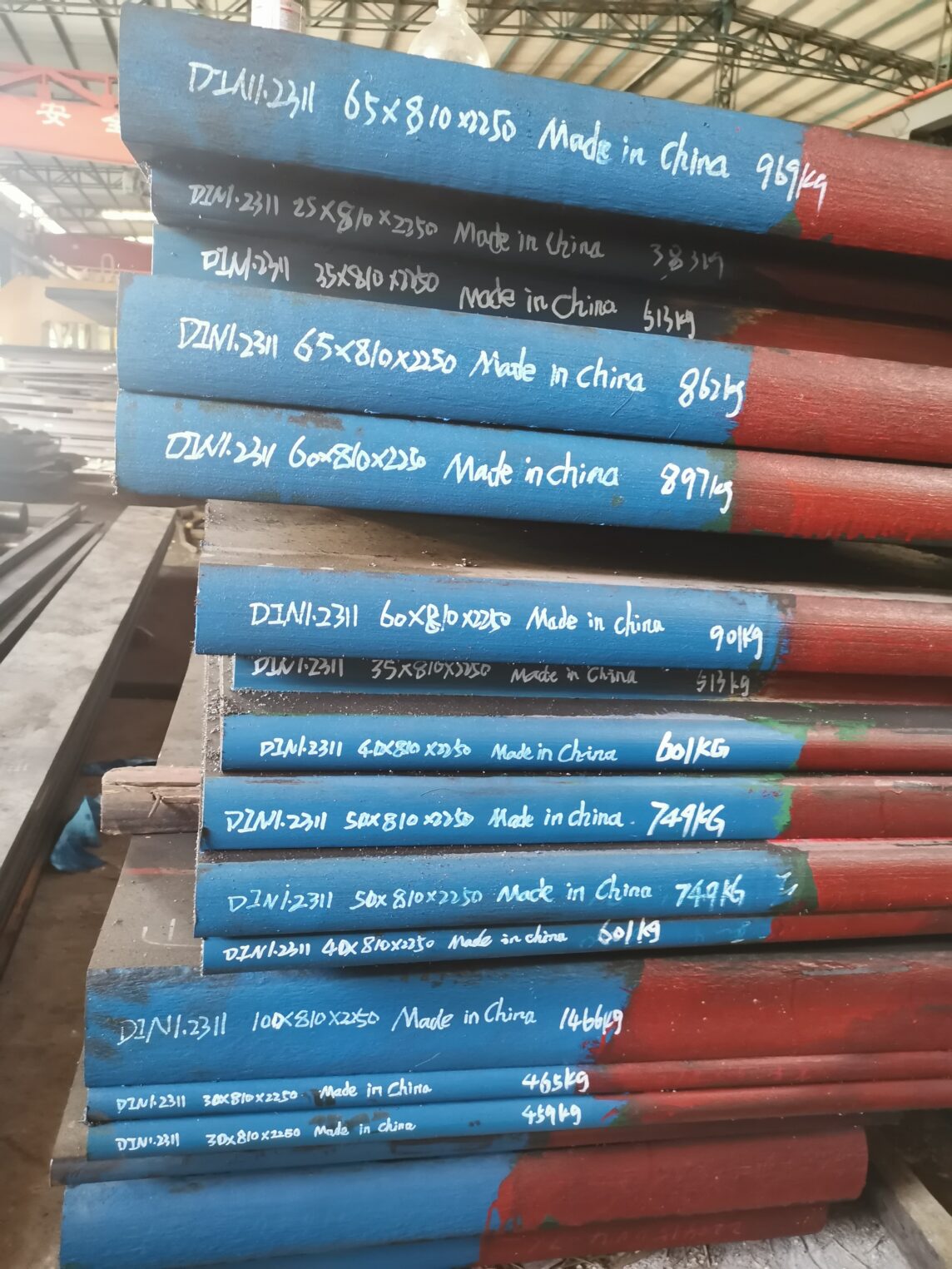
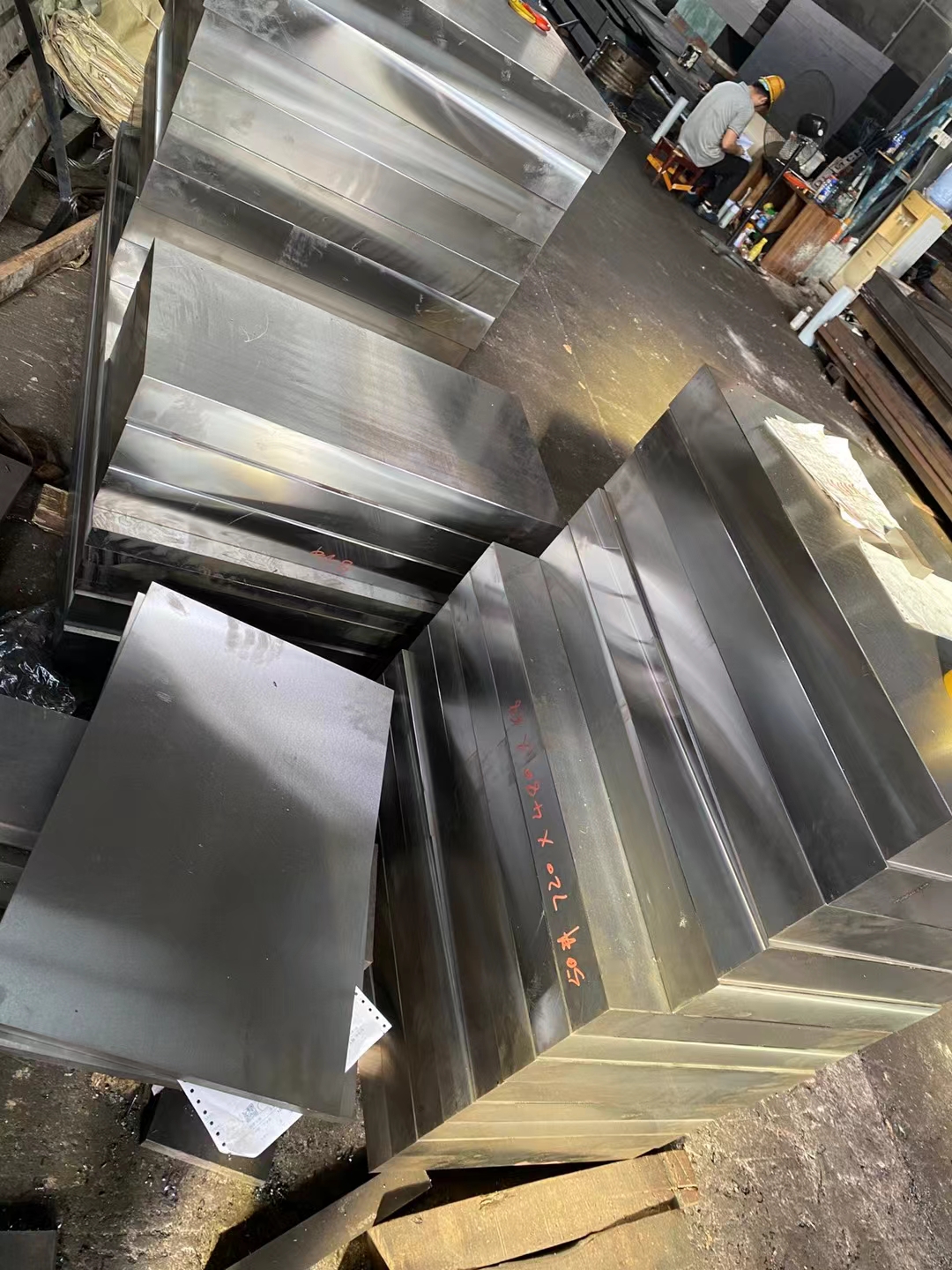
With its chromium-rich composition and added molybdenum and vanadium, 1.4112 can withstand aggressive environments while maintaining a sharp, reliable edge for long periods.


Chemical Composition of 1.4112

Element Content (%) Purpose
Carbon (C) 0.85 – 0.95 Increases hardness and edge retention
Chromium (Cr) 16.00 – 18.00 Provides corrosion resistance
Molybdenum (Mo) 0.40 – 0.80 Improves pitting resistance and strength
Vanadium (V) 0.10 – 0.20 Enhances wear resistance and grain refinement
Manganese (Mn) ≤ 1.00 Improves hardness and toughness
Silicon (Si) ≤ 1.00 Boosts strength and heat resistance
Phosphorus (P) ≤ 0.040 Controls steel processing
Sulfur (S) ≤ 0.030 Improves machinability


Key Properties of 1.4112 Blade Steel

  1. High Hardness Potential – Can be hardened to 56–60 HRC, ideal for high-end blades.

  2. Excellent Corrosion Resistance – Suitable for both indoor and outdoor use, even in humid or coastal climates.

  3. Good Wear Resistance – Maintains sharpness and cutting performance over extended use.

  4. Edge Retention – Requires fewer sharpening sessions compared to lower-grade steels.

  5. Polishability – Can achieve a mirror-like finish, enhancing both aesthetics and function.


Performance Comparison: 1.4112 vs. Other Blade Steels


Steel Grade Hardness (HRC) Corrosion Resistance Edge Retention Ease of Sharpening
1.4112 56–60 Excellent High Moderate
440C 58–60 Very Good High Moderate
AUS-8 57–59 Good Medium Easy
VG10 59–61 Excellent Very High Moderate

1.4112 offers a balanced performance—slightly easier to sharpen than VG10 and with better corrosion resistance than AUS-8.


Advantages of Choosing 1.4112 for Blades

  • Longevity – Holds an edge longer, reducing downtime for sharpening.

  • Versatility – Suitable for both culinary and outdoor use.

  • Aesthetics – Takes a high polish for premium appearance.

  • Low Maintenance – Rust-resistant, requiring less upkeep in harsh conditions.

  • Proven Reliability – Used by knife makers and tool manufacturers worldwide.


Challenges and Considerations

  • Sharpening Difficulty – Harder steel requires proper sharpening tools and techniques.

  • Cost – Higher initial price compared to mid-range steels.

  • Heat Treatment Sensitivity – Must be processed precisely to achieve optimal properties.


Conclusion

If you need a premium stainless blade steel that can handle demanding cutting tasks while staying sharp and resisting rust, 1.4112 is an outstanding choice. It’s trusted by professionals in culinary, outdoor, and medical industries, and when treated right, it delivers a performance that rivals even higher-priced steels.

For more details, price quotes, or technical advice on using 1.4112 steel, feel free to contact us at [email protected] or via WhatsApp +8613642825398. We’re here to help you find the best steel solution for your needs.


0 Continue Reading →

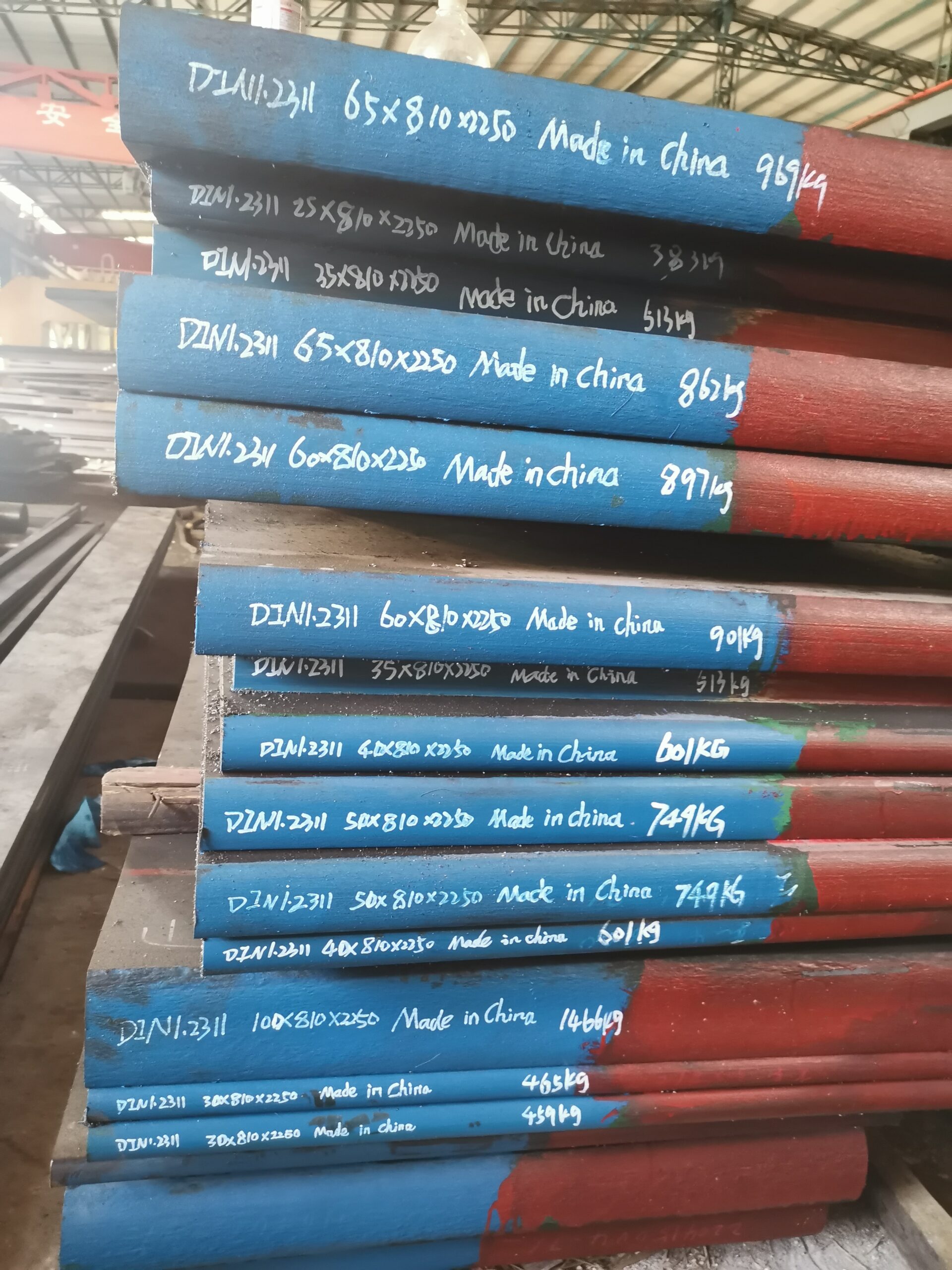
1.2311 The key to shortening delivery time and improving efficiency

In today’s fast-paced manufacturing world, speed and efficiency are everything. The ability to reduce lead time, simplify processing steps, and maintain high-quality output gives businesses a serious edge. And when it comes to mold manufacturing, 1.2311 pre-hardened plastic mold steel has become the go-to solution for companies looking to boost productivity and cut down turnaround time.

But what exactly makes 1.2311 so efficient? And how can it help you shorten delivery time, save costs, and streamline production?


What Is 1.2311 Pre-Hardened Mold Steel?

1.2311, also known as P20 steel, is a pre-hardened plastic mold steel with a balanced mix of strength, toughness, and machinability. It’s supplied in a hardness range of 280–325 HB (approx. 29–35 HRC), which means it’s already hardened and ready for immediate machining — no need for heat treatment after tooling.

That alone is a game-changer for manufacturers who are tired of long heat treatment cycles and delays.

Why Pre-Hardened Matters: Save Time, Save Money

Traditional mold steels require several stages:

  1. Rough machining

  2. Heat treatment

  3. Stress relief

  4. Finish machining

  5. Polishing or surface treatment

Each of these adds time, labor, and cost.

With 1.2311 pre-hardened steel, you eliminate the heat treatment step entirely. That means:

  • No waiting for external heat treatment facilities

  • No risk of deformation during hardening

  • No need for additional stress-relieving operations

You receive the steel, start machining immediately, and move faster toward the finished mold. For many manufacturers, this cuts the production timeline by 30–50%.

Technical Overview of 1.2311 Tool Steel

Property Value
Hardness 280–325 HB (29–35 HRC)
Tensile Strength 1000–1300 MPa
Yield Strength Approx. 800 MPa
Machinability Excellent
Polishability Good to very good
Surface Treatability Suitable for nitriding/chrome
Toughness High

Typical Applications of 1.2311

  • Plastic Injection Molds

  • Blow Molds for Bottles

  • Die-Casting Dies (non-ferrous metals)

  • Mold Bases and Holders

  • Automotive Mold Components

  • Consumer Product Molds

It’s particularly ideal for medium-run production molds that require both durability and good surface finish — without the extreme hardness of H13 or 1.2344 steels.

Optional Surface Treatments for Enhanced Performance

Although already hardened, 1.2311 can be treated to extend life and improve function:

  • Nitriding: Surface hardness up to 60–65 HRC for wear resistance

  • Hard Chrome Plating: Adds corrosion and wear protection

  • EDM Finishing: For fine details and complex cavities


Availability at Dongguan Otai Special Steel

At Otai Steel, we keep 1.2311 pre-hardened steel in stock, ready to ship in multiple forms:

Product Form Sizes Available
Flat Bars Thickness 20–500 mm
Blocks Custom cut sizes up to 2000 mm
Round bar Dia 20~200mm
CNC Cuts Cut-to-size on request

All material comes with EN 10204 3.1 Mill Test Certificates, optional UT testing, and fast global delivery.

📧 Email: [email protected]
💬 WhatsApp: +8613642825398

Conclusion: 1.2311 Is the Mold Steel for Modern Manufacturing

If you’re under pressure to deliver faster, reduce costs, and maintain quality, 1.2311 pre-hardened plastic mold steel is the smart choice.

It helps you:

  • Skip the delays of heat treatment

  • Start machining right away

  • Meet tight project deadlines

  • Deliver molds that are tough, durable, and easy to polish

That’s why toolmakers and mold manufacturers around the world rely on 1.2311 to shorten delivery time and boost efficiency — without sacrificing performance.

Want to learn more or get a free quote? Contact us today!
We’re here to help you succeed — with fast replies, expert support, and competitive pricing.

FAQs

1. Can I use 1.2311 for high-gloss plastic molds?
Yes, it has good polishability for semi-gloss and gloss finishes, though not as high as 1.2083 or 1.2738 for optical-grade molds.

2. Is 1.2311 suitable for hard chrome plating?
Absolutely. Chrome plating enhances corrosion and wear resistance and is commonly applied to extend mold life.

3. Can I weld 1.2311 for mold repairs?
Yes, it’s weldable using matching filler material, but proper post-weld processing is recommended.

4. How long is the delivery time from Otai Steel?
We offer fast delivery — usually within 3–5 days for standard sizes and immediate shipment for in-stock items.

5. What certifications do you provide with 1.2311?
We provide full Mill Test Certificates (EN 10204 3.1) and can supply ultrasonic test reports if needed.

0 Continue Reading →

440C and 1.2083 Stainless Tool Steel how to choose

Choose the right stainless tool steel for your application is critical — not just for performance, but also for cost, durability, and efficiency. Two of the most widely used stainless steels in industrial tooling and mold-making are 440C and 1.2083.

440C and 1.2083 Stainless Tool Steel how to choose.

While they may appear similar because of their stainless nature and hardenability, they serve very different purposes.


What is 440C Stainless Steel?

440C is a high-carbon, high-chromium martensitic stainless steel. It’s known for its very high hardness (up to 60–62 HRC), wear resistance, and moderate corrosion resistance. It is often used in knife blades, surgical tools, bearings, and valve components, where sharpness, strength, and wear resistance are critical.

Once heat-treated, 440C becomes extremely hard and retains that hardness under pressure and moderate heat. However, its corrosion resistance is not as strong as that of austenitic stainless steels, especially in chloride or acidic environments.


What is 1.2083 Stainless Tool Steel?

1.2083, also known as X42Cr13, is a corrosion-resistant tool steel primarily used in the plastic mold industry.  chlorine-based plastics.

It offers excellent polishability, making it a top choice for mirror-finish molds, such as those used for optical lenses, clear containers, or precision plastic components. It is usually delivered in pre-hardened condition (28–36 HRC) but can be further hardened up to 50–52 HRC if needed.


Key Differences:

  • 440C has significantly higher carbonhigher hardness and wear resistance

  • 440C has more chromiumbetter corrosion resistance, especially for cutting edges

  • 1.2083 is lower in carbon but optimized for plastic mold performance and polishability


Applications: When to Use 440C or 1.2083

Application Type Best Choice Why
Knife blades 440C High hardness and wear resistance
Ball bearings, valve parts 440C Precision + corrosion resistance
Injection molds (PVC, ABS, etc.) 1.2083 Corrosion-resistant to gases, polishable
Optical mold parts 1.2083 High polishability and surface quality
Wear-resistant bushings 440C Long life under friction
Mirror-finish plastic molds 1.2083 Superior polishing properties
General tooling in wet environments 440C Moderate corrosion + hardness
Medical instruments 440C Sterilizable, sharp, and hard

440C and 1.2083 Stainless Tool Steel how to choose ?


Here’s a quick way to decide:

  • Choose 440C if:

    • You need extreme hardness

    • The part is a cutting or wear tool

    • Corrosion resistance is important but not in plastic mold environments

    • You’re making bearings, knives, or valve components

  • Choose 1.2083 if:

    • You’re making plastic injection molds

    • Your mold requires mirror polish

    • The plastic used emits corrosive gases (like PVC)

    • You want a pre-hardened steel that’s easy to machine


Still Not Sure? We Can Help.


Two of the most widely used stainless steels are 440C and 1.2083.At Dongguan Otai , we stock both of them in various sizes and forms.Whether you need technical advice, a quote, or help with heat treatment specifications, we’re here to support you.

📧 Email us at [email protected]
💬 Message us on WhatsApp: +8613642825398

Let us help you choose the right steel — quickly and professionally.

0 Continue Reading →

440C and 1.2083 Tool Steel: What’s the Difference

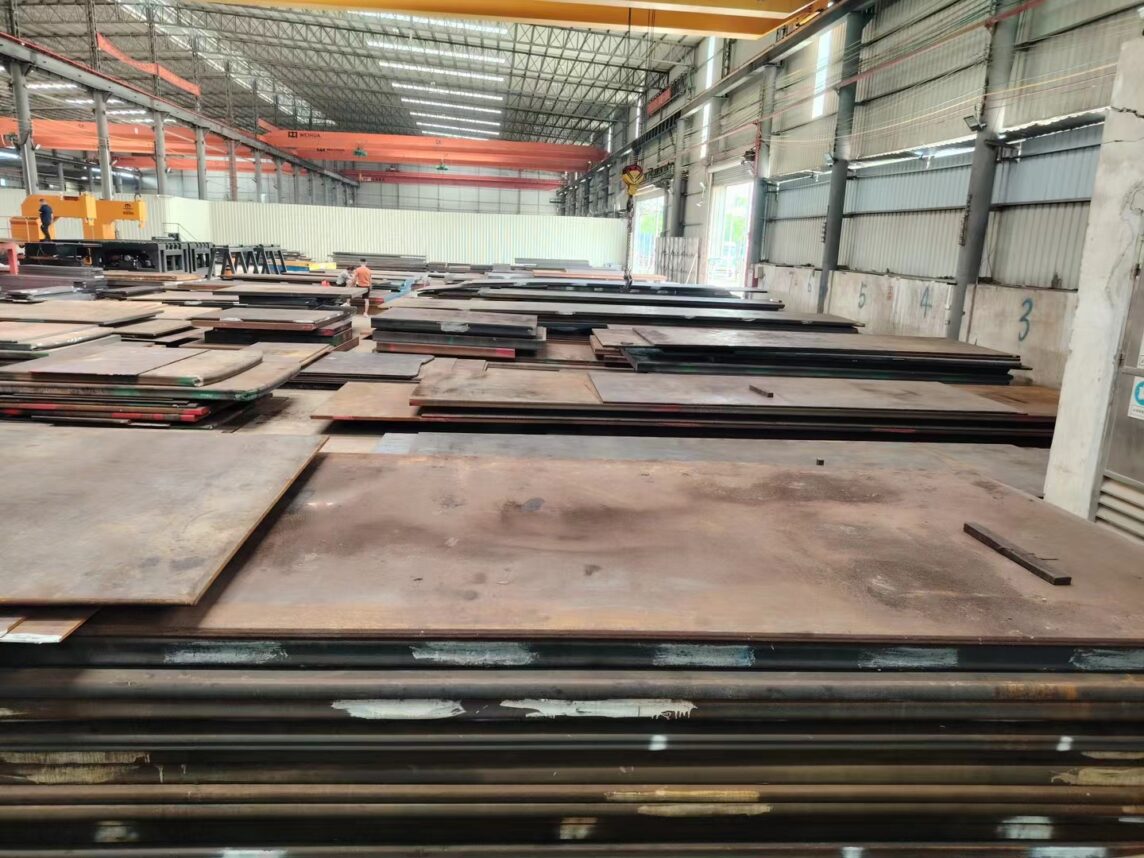
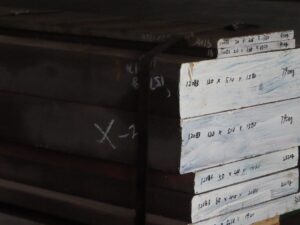
If you’re in the tooling, mold-making, or high-precision engineering business, chances are you’ve come across two stainless steel materials quite often: 440C and 1.2083 Tool Steel. On the surface, they might seem similar — both are martensitic stainless steels with excellent hardness and corrosion resistance — but they serve different purposes in very different ways. If you’re asking, “Should I choose 440C or 1.2083?”, then you’re in the right place.At Dongguan Otai Special Steel, we keep both 440C and 1.2083 Tool Steel in various dimensions to serve your exact needs.


Chemical Composition Comparison: 440C vs 1.2083

Element 440C (UNS S44004) 1.2083 (X42Cr13)
Carbon (C) 0.95 – 1.20% 0.38 – 0.45%
Chromium (Cr) 16.0 – 18.0% 12.0 – 14.5%
Manganese (Mn) ≤ 1.0% ≤ 1.0%
Silicon (Si) ≤ 1.0% ≤ 1.0%
Molybdenum (Mo)
Phosphorus (P) ≤ 0.04% ≤ 0.03%
Sulfur (S) ≤ 0.03% ≤ 0.03%


Hardness and Heat Treatment Capabilities

Property 440C 1.2083
Delivery Condition Annealed (~200 HB) Pre-hardened (280–340 HB)
Hardened Condition Up to 60–62 HRC Up to 50–52 HRC
Tempering Resistance Excellent Good
Heat Treatability Very High Moderate


Machinability and Polishing Properties

If you’re planning to machine or polish your tools or molds, this is a crucial point.

  • 440C is more difficult to machine, especially in its hardened state. It wears down tools quickly and requires carbide tools and proper cooling systems. Polishing is possible but not as mirror-finish friendly as 1.2083.

  • 1.2083 is much easier to machine in its pre-hardened state, and can be highly polished to a mirror finish, which is why it’s a favorite for plastic injection molds, especially for optical products or clear plastic parts.


Applications: Where Each Steel Shines

Application Area 440C Stainless Steel 1.2083 Tool Steel
Knife Blades
Valve Parts
Bearings
Injection Molds (PVC, ABS)
Mirror-Polished Molds
Corrosive Plastic Molds
Surgical Instruments

You can see from the table that each steel serves different markets. Don’t use 440C for injection molds — it won’t give you the polish or corrosion resistance needed against chlorine-based gases. Likewise, using 1.2083 in wear-intensive, cutting-edge tools is not ideal — it just won’t hold up like 440C.

Availability and Stock Formats

At Dongguan Otai Special Steel, we keep both 440C and 1.2083 in various dimensions to serve your exact needs. Whether you’re looking for round bars, flat bars, blocks, or cut-to-size billets, we’ve got you covered.
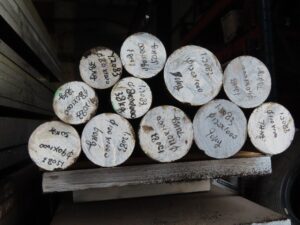
Typical Formats Available:

Material Round Bar Flat Bar Plate/Block Customized Cut
440C
1.2083

If you want to get a quote or need technical help, send us an email at [email protected] or message on WhatsApp +8613642825398.

0 Continue Reading →

What is the Best Stainless Steel Alternative to 1.2083 tool steel

What is the Best Stainless Steel Alternative to 1.2083?

Choosing the right material for molds, cutting tools, and industrial applications is critical. 1.2083 tool steel is a popular choice due to its high wear resistance, excellent polishability, and moderate corrosion resistance. But what if you need a stainless steel alternative that offers similar or better performance? This guide will help you identify the best stainless steel substitute for 1.2083 based on hardness, corrosion resistance, wear resistance, and machinability.

Why Look for a Stainless Steel Alternative to 1.2083?

1.2083 tool steel is excellent for mold-making, but sometimes, stainless steel is preferred for better corrosion resistance, weldability, or ease of machining. If your application requires high toughness, superior rust resistance, or food-grade compliance, a stainless steel alternative is a better option.


Top Stainless Steel Alternatives to 1.2083

Stainless Steel Grade Hardness (HRC) Corrosion Resistance Wear Resistance Machinability Polishability
420 Stainless Steel 48-52 Moderate Good Moderate Excellent
440C Stainless Steel 56-60 Moderate Excellent Moderate Good


1. 420 Stainless Steel: The Closest Alternative

420 stainless steel is the most similar to 1.2083 tool steel in terms of chromium content, hardness, and wear resistance. It provides:

  • Good hardness (up to 52 HRC after heat treatment)
  • Decent corrosion resistance, better than 1.2083 but lower than 316L stainless steel
  • Great polishability, making it an ideal choice for plastic molds
  • Moderate machinability, better than 1.2083 but not as easy as 304 stainless steel


If you need a direct replacement for 1.2083 with slightly better corrosion resistance, 420 stainless steel is your best option.


2. 440C Stainless Steel: Higher Hardness and Wear Resistance

If you need a material even harder and more wear-resistant than 1.2083, 440C stainless steel is a great alternative. It offers:

  • Higher hardness (up to 60 HRC), making it ideal for cutting tools and blades
  • Good corrosion resistance, slightly better than 1.2083 but not as high as 316L
  • Excellent wear resistance, outperforming 1.2083 in abrasive environments
  • Moderate machinability, similar to 1.2083 but harder to machine due to its high hardness


If wear resistance and hardness are your top priorities, 440C is an excellent stainless steel alternative.


Conclusion

If you’re looking for a stainless steel alternative to 1.2083 tool steel, your choice depends on your specific needs:

  • 420 stainless steel is the closest match in hardness, wear resistance, and polishability.
  • 440C stainless steel is harder and more wear-resistant, but slightly harder to machine.


Need expert guidance on selecting the right steel? Contact us at [email protected] or WhatsApp: +8613642825398 to discuss your project needs.


FAQs

1. What is the best stainless steel alternative to 1.2083 for plastic molds?

420 stainless steel is the best alternative due to its hardness, wear resistance, and excellent polishability.

2. Is 440C better than 1.2083 for cutting tools?

Yes, 440C has higher hardness and wear resistance, making it better for cutting tools.

0 Continue Reading →