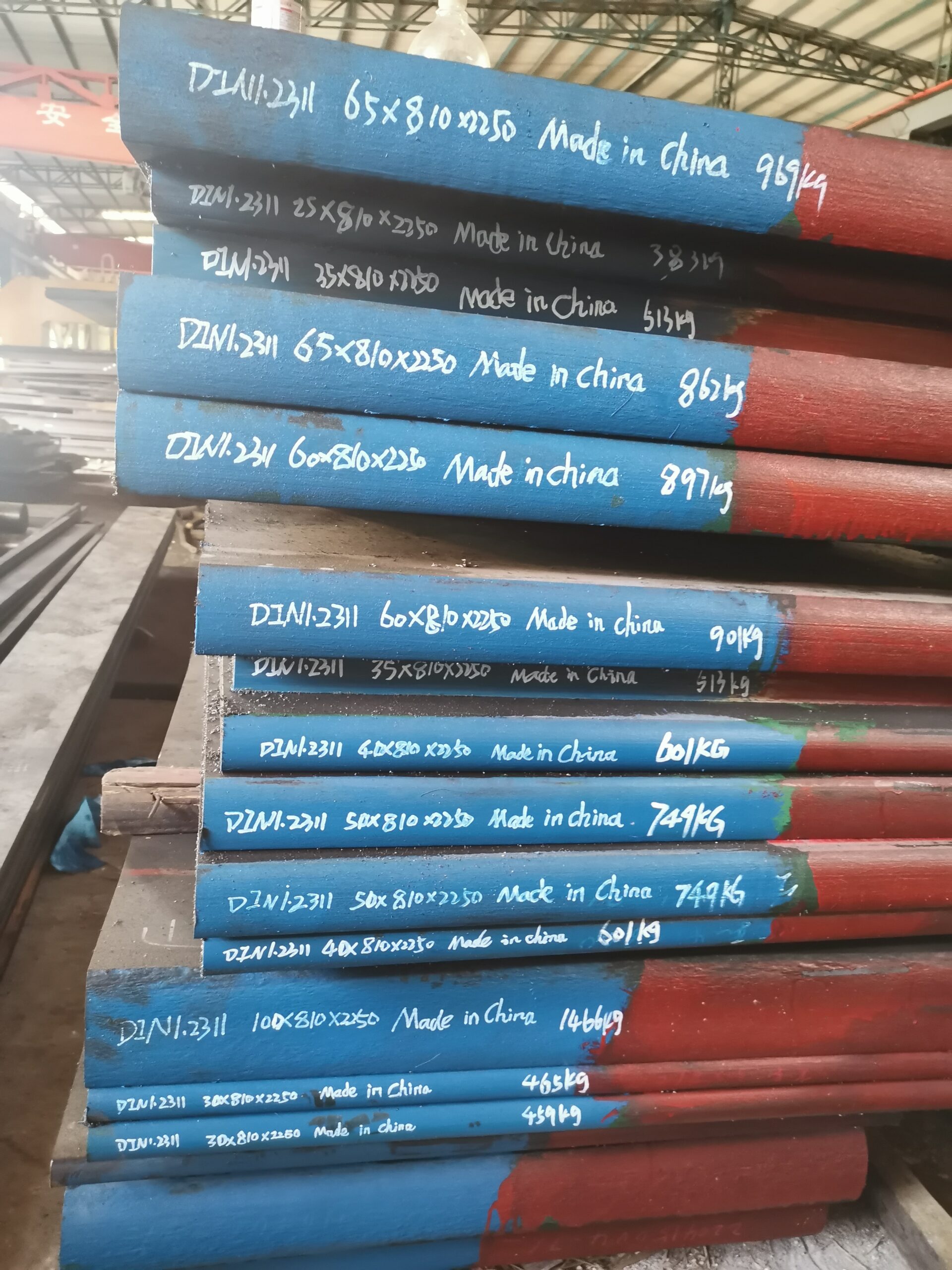
 If you’re working in plastic mold manufacturing or sourcing tool steels globally, you’ve probably come across 1.2311 steel. It’s one of the most widely used pre-hardened plastic mold steels, known for its balance between performance, machinability, and cost.
Key Advantages of 1.2311 Steel
Let’s break down why so many mold manufacturers choose 2311:
1. No Heat Treatment Required
You can machine directly—no quenching or tempering needed.
👉 This reduces:
-
Lead time
-
Heat treatment cost
-
Deformation risk
2. Excellent Machinability
2311 machines easily, even in hardened condition.
👉 Ideal for:
-
CNC machining
-
Large mold bases
3. Good Polishability
Suitable for general plastic parts.
⚠️ But note:
-
Not ideal for mirror-polish applications
-
For high-gloss molds, choose 1.2738 or 1.2316
4. Uniform Hardness
Especially important for large molds, ensuring consistent performance.
5. Cost-Effective Solution
Compared to higher-grade steels, 2311 offers:
👉 Best balance of price vs. performance
Limitations of 1.2311 Steel
No material is perfect. Here’s where 2311 may fall short:
1. Limited Corrosion Resistance
Not suitable for:
-
PVC
-
Flame-retardant plastics
👉 Consider stainless mold steels instead.
2. Not Suitable for High Wear Applications
If your mold handles:
-
Glass fiber plastics
-
Abrasive materials
👉 You should consider higher alloy steels.
3. Surface Finish Limitations
For optical-grade surfaces:
👉 2311 is not enough.
Buying Tips for 1.2311 Steel (Very Important)
If you’re sourcing 2311 from China or globally, don’t just compare price.
Checklist Before Ordering
-
✔ Confirm hardness range (28–34 HRC)
-
✔ Request UT testing (EN 10228-3 or similar)
-
✔ Check chemical composition
-
✔ Ask about steelmaking process (EAF + LF + VD or ESR)
-
✔ Confirm surface condition (black / milled / polished)
Pro Tip from Export Experience
👉 The cheapest 2311 often leads to:
-
Cracking
-
Poor machining
-
Short mold life
👉 Always balance price with quality.
📩 Need a quote or technical support?
Contact us today:
-
Email: rika@otaisteel.com
-
WhatsApp: +8613642825398
We’re here to help you choose the right steel and avoid costly mistakes.
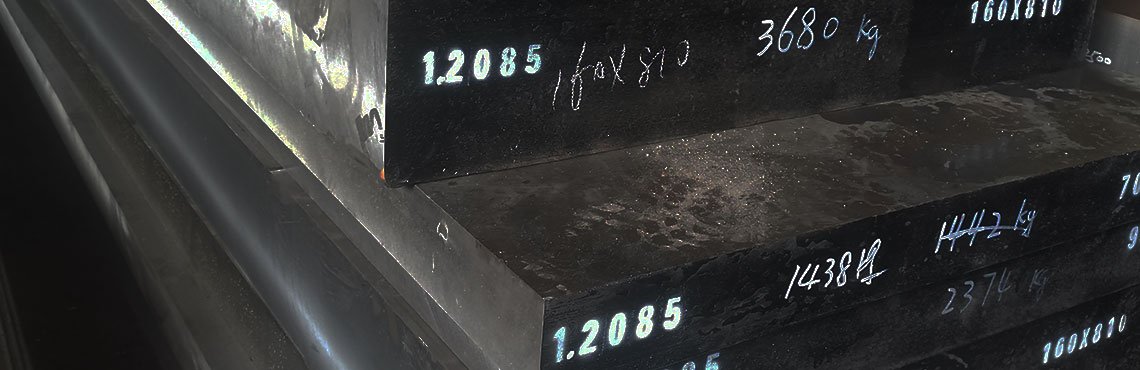
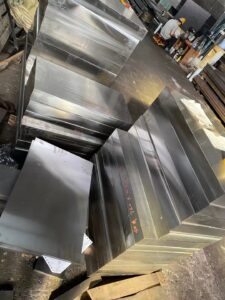 In the competitive manufacturing world, reducing machining time and costs while maintaining product quality is the ultimate goal. 1.2085 free-cutting mold steel is engineered to do exactly that. With its unique composition and processing advantages, this material offers manufacturers the ability to cut machining costs by up to 40%, without sacrificing mold performance.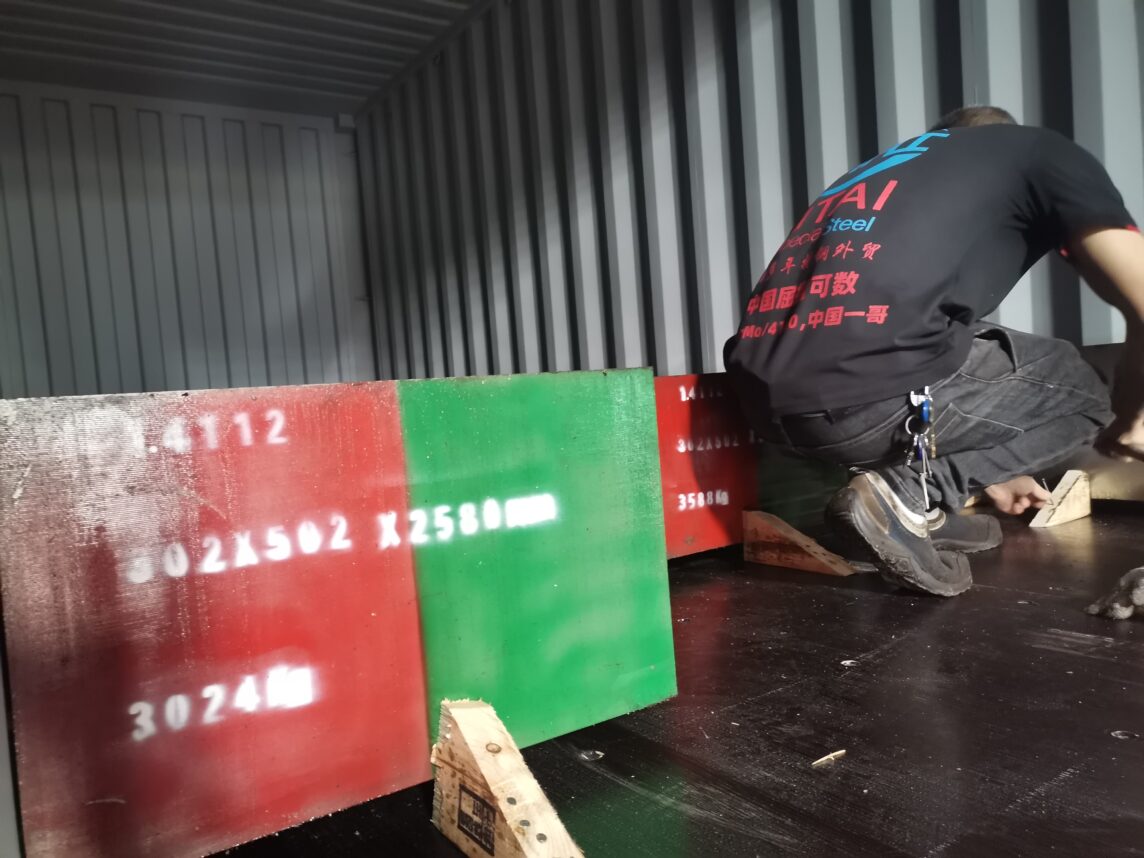
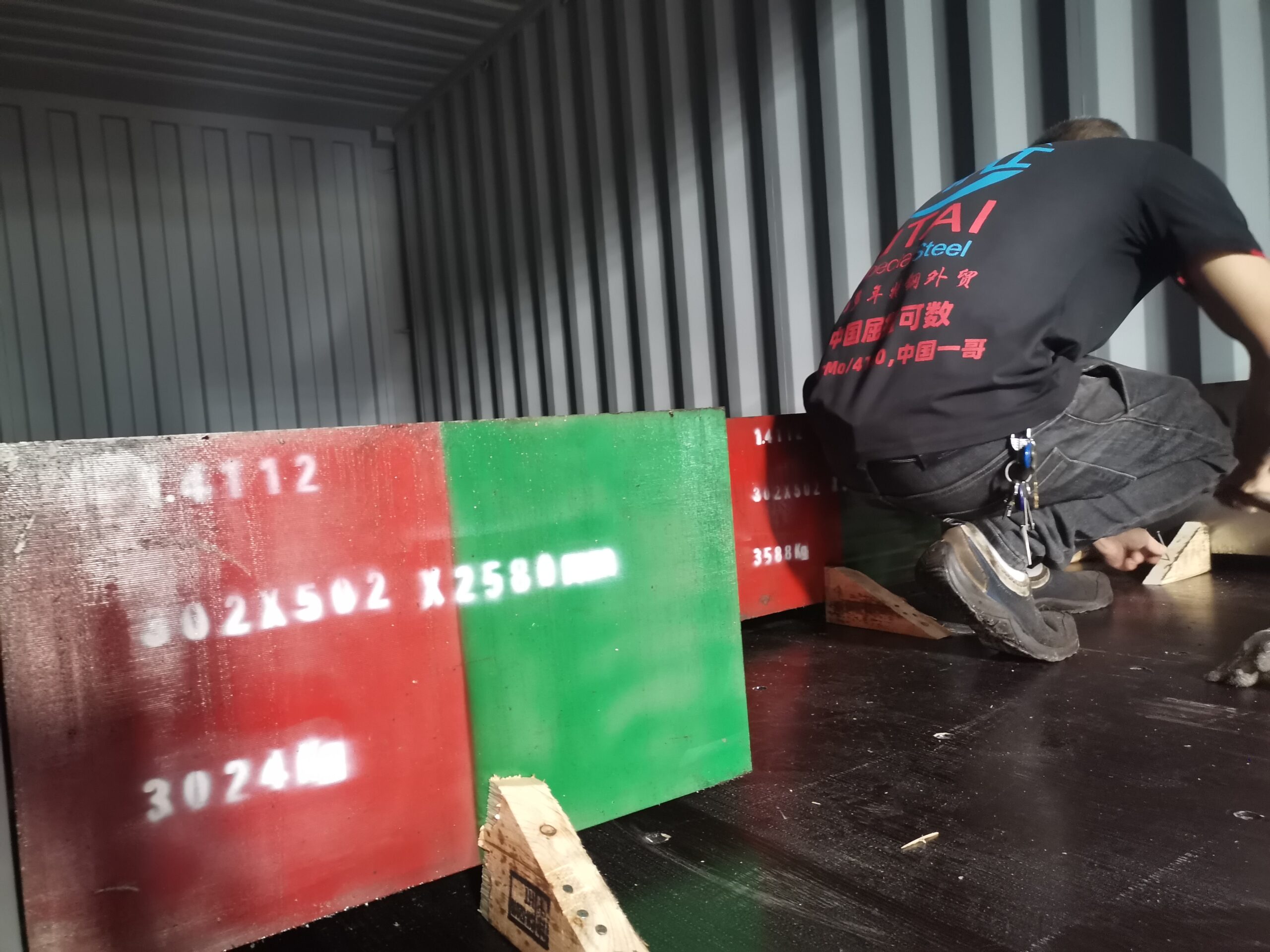
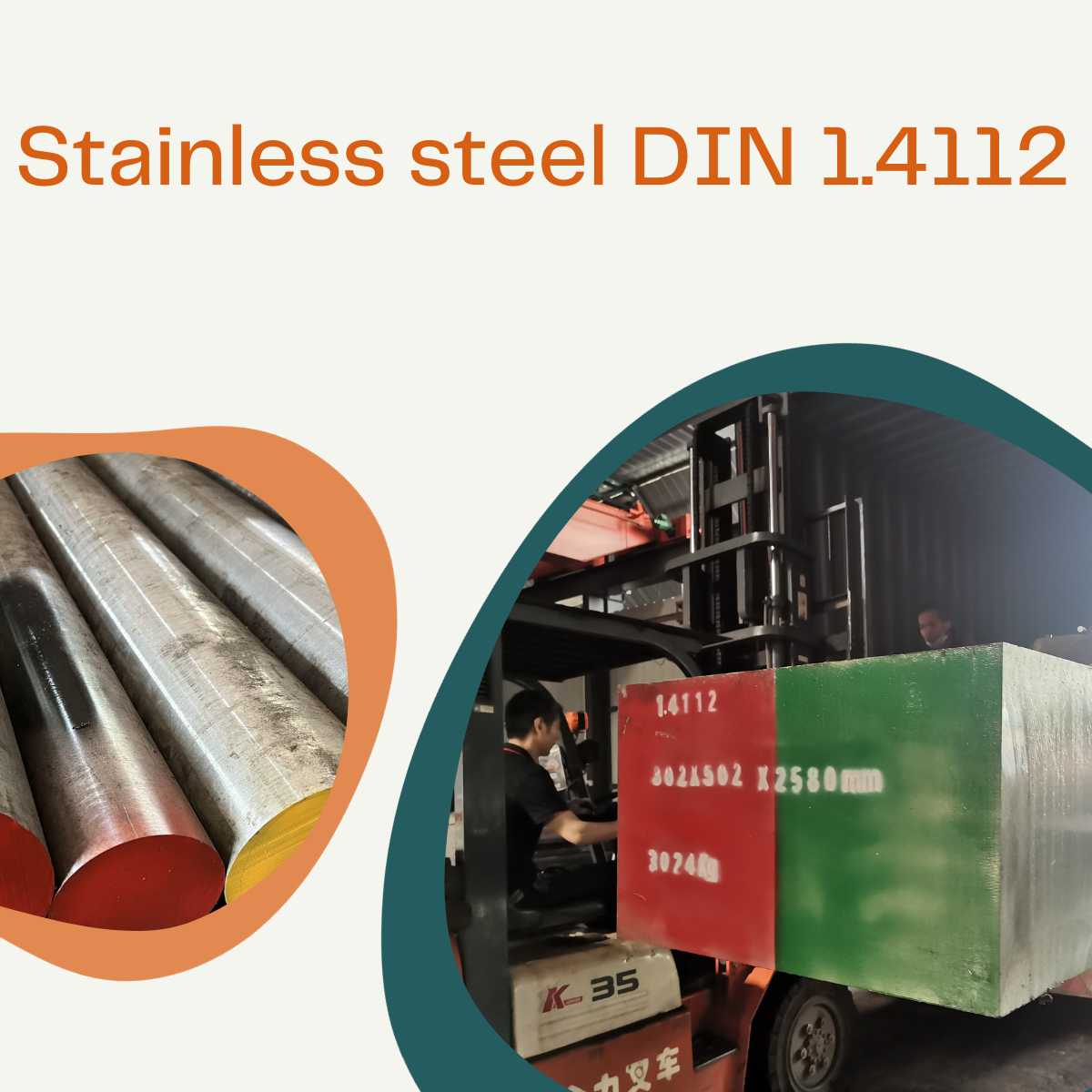
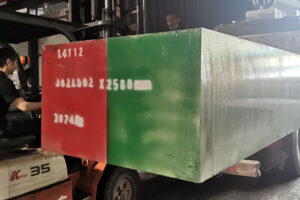 When you think of the perfect blade, you imagine something that slices effortlessly, holds its edge through countless uses, and resists the wear and tear of time. That’s exactly where 1.4112 precision blade steel shines.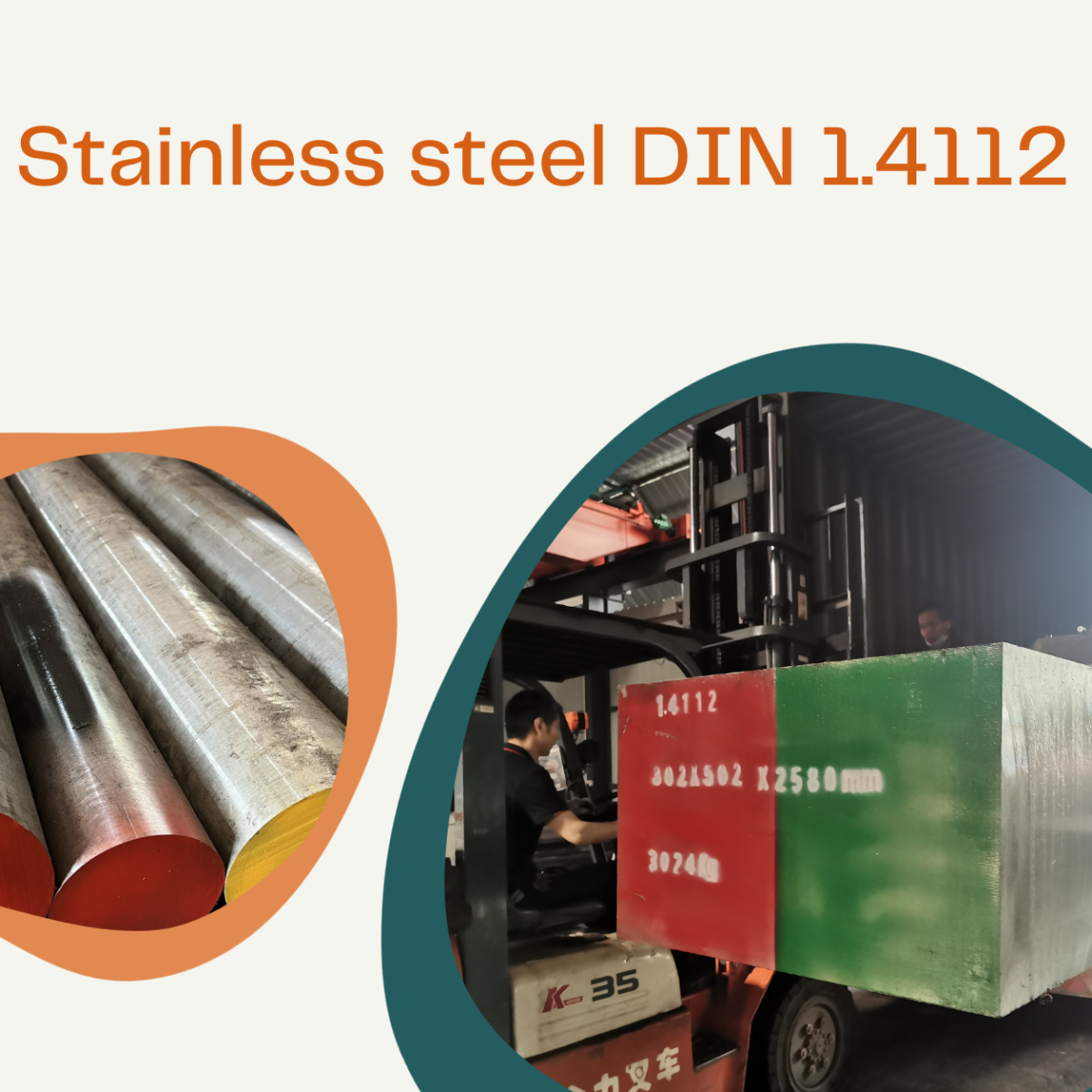
 1.4112 is a high-carbon stainless steel that’s part of the X90CrMoV18 family in the European EN standard. It’s closely related to AISI 440B, offering a balance of hardness, edge retention, and corrosion resistance. This makes it a preferred choice for premium kitchen knives, hunting knives, and surgical instruments.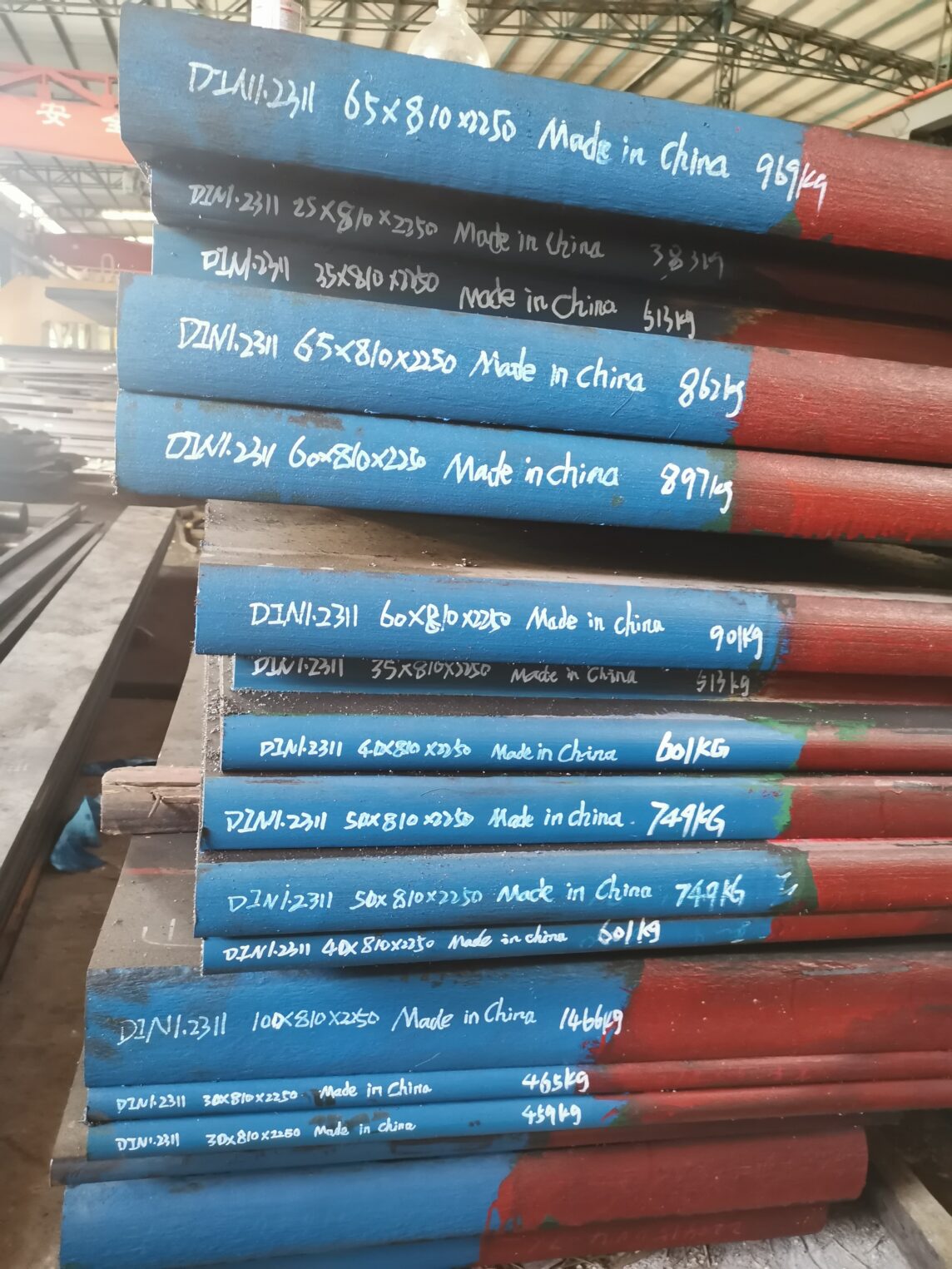
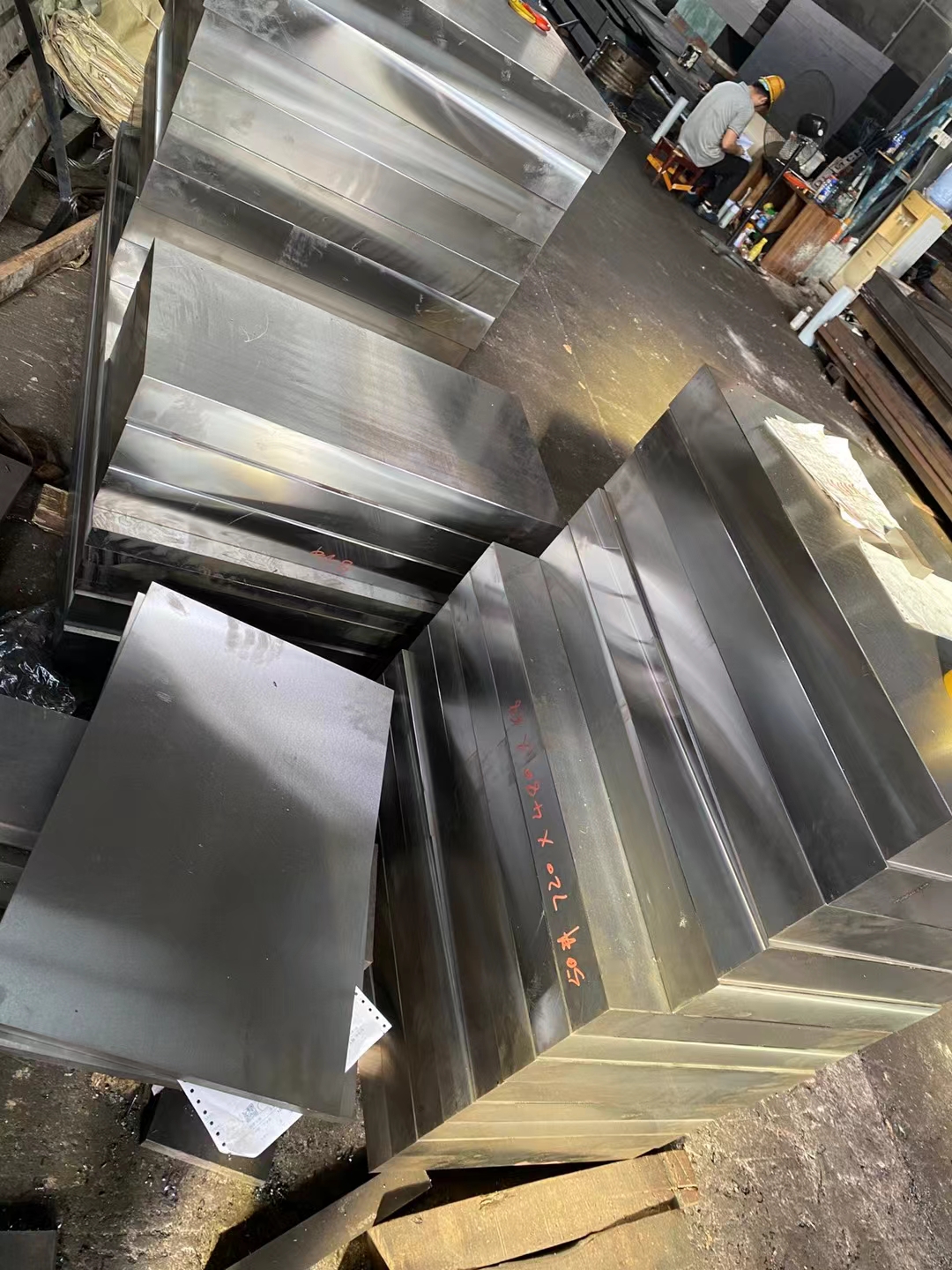
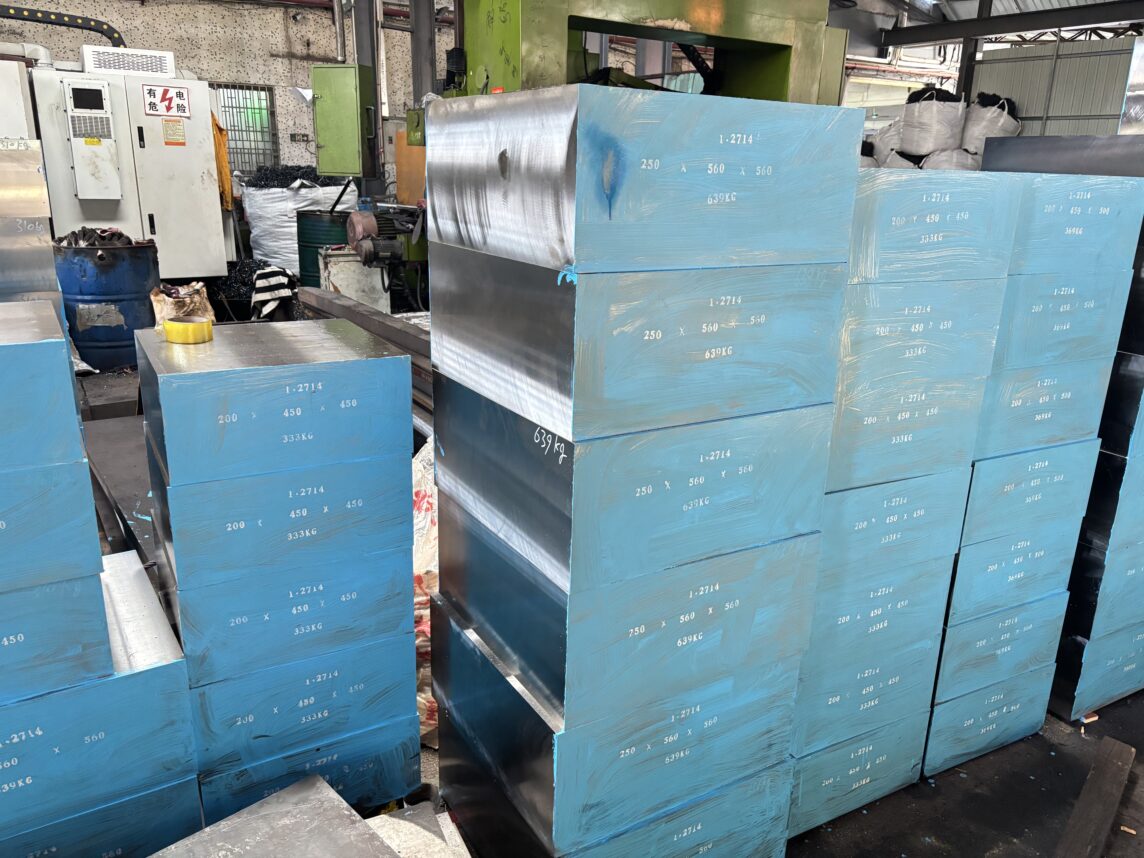
 If you’re in the tooling, mold-making, or high-precision engineering business, chances are you’ve come across two stainless steel materials quite often: 440C and 1.2083 Tool Steel. On the surface, they might seem similar — both are martensitic stainless steels with excellent hardness and corrosion resistance — but they serve different purposes in very different ways. If you’re asking, “Should I choose 440C or 1.2083?”, then you’re in the right place.At Dongguan Otai Special Steel, we keep both 440C and 1.2083 Tool Steel in various dimensions to serve your exact needs.