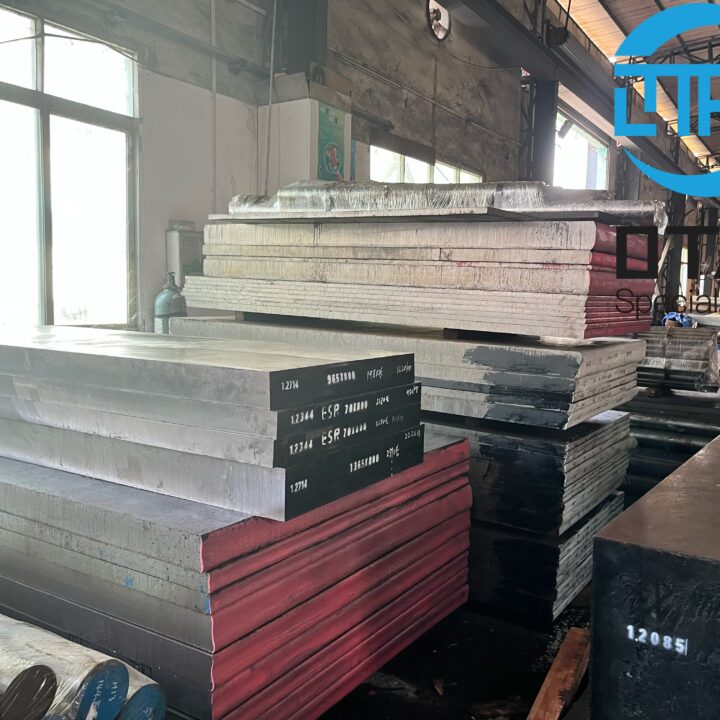
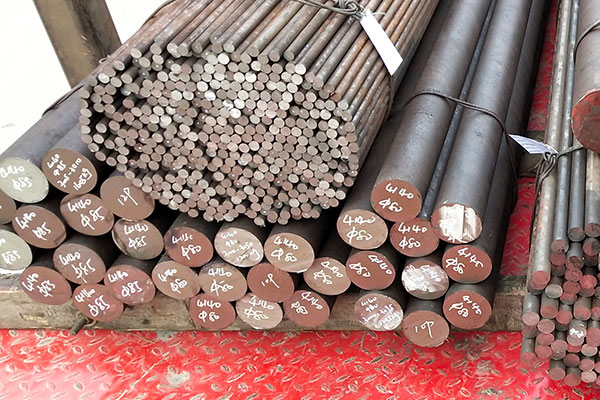
Steel buyers should not rely only on the material certificate or the appearance of the original bar.
A good purchasing and inspection process should include the following checks.
Check 1: Confirm the Material Grade
Make sure the supplied steel matches the required grade, such as D2 or SKD11.
Check 2: Review the Material Test Certificate
Check the chemical composition, hardness condition, heat number and other agreed requirements.
Check 3: Confirm the Inspection Scope
Ask whether the material has undergone ultrasonic testing, surface inspection or other required inspections.
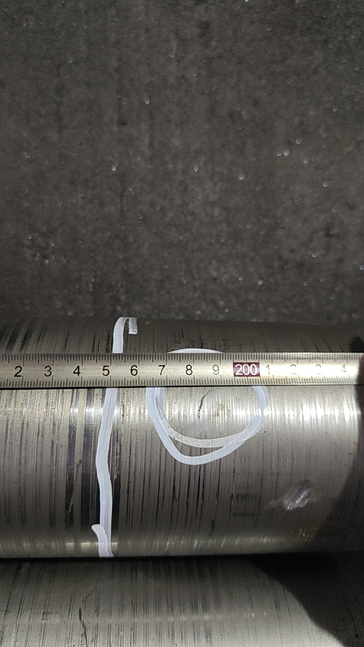
Check 4: Check the Surface Condition
Look for visible cracks, folds, seams and other abnormal marks.
Check 5: Consider Additional Inspection for Critical Applications
For high-value components or applications where machining defects may cause serious losses, discuss additional MT, PT or suitable UT requirements with the supplier before ordering.
It is always better to agree on inspection requirements before shipment than to deal with unexpected problems after machining.
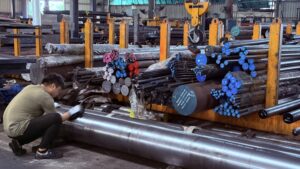
At OTAI Special Steel, we understand that good tool steel quality means more than meeting chemical composition and hardness requirements. Forging quality, surface condition, cutting allowance and inspection are also important parts of material quality control.
If you are looking for D2 / SKD11 round bars, flat bars or tool steel blocks, contact OTAI to discuss your required sizes, supply condition, hardness and inspection requirements.
Email: rika@otaisteel.com