Preventing defects requires control at different stages of production.
For D2 round bars, several steps are particularly important.
1. Improve End Cropping After Forging
Review the cutting allowance at both ends of the forged material.
The production team should consider billet size, forging conditions and the possibility of end-zone defects.
Where necessary, the cutting length should be increased to make sure that the required end areas are removed.
2. Improve Surface Inspection
After forging, peeling or grinding, the bar surface should be checked carefully.
Special attention should be given to:
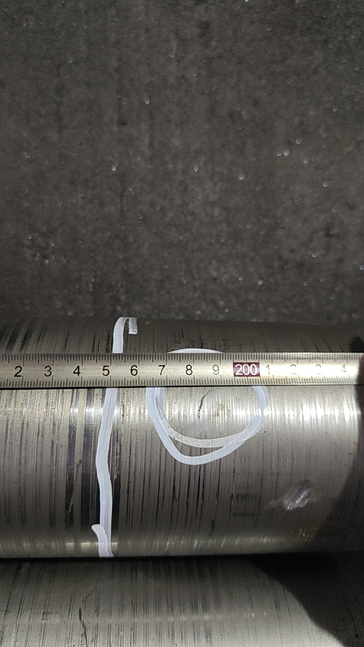
- Longitudinal lines
- Surface folds
- Seams
- Visible cracks
- Local surface irregularities
- Defects found during inspection should be properly removed or evaluated according to the applicable acceptance requirements.
3. Review Ultrasonic Testing Procedures
UT procedures should be suitable for the actual bar diameter and material condition.
The supplier should review probe selection, testing sensitivity, calibration, inspection coverage and acceptance criteria.
For applications requiring better surface quality, additional MT or PT inspection may be considered.
4. Control Annealing Quality
The annealing process should be properly controlled to achieve the required hardness and a suitable microstructure.
Hardness testing should be carried out according to the agreed inspection plan.
Where machining performance is important, customers and suppliers should agree on the hardness requirement before production.
5. Improve Material Traceability
Every heat and bar should have clear identification.
Production records should include the heat number, bar number, cutting position and inspection results where available.
If a defect is found during machining, the supplier can use these records to trace the original material position and investigate whether the problem is isolated or related to a wider production issue.
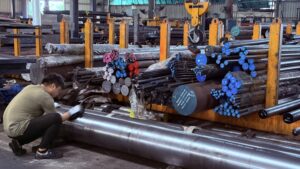
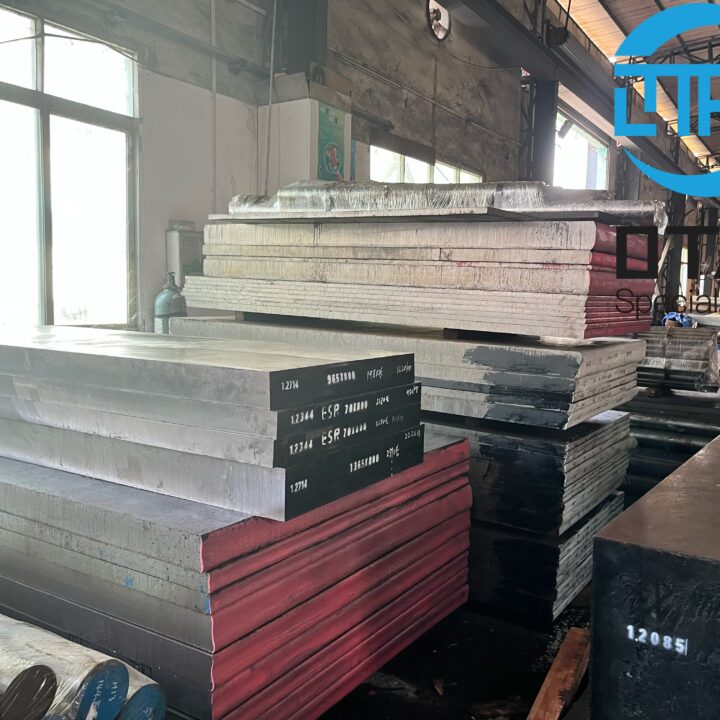
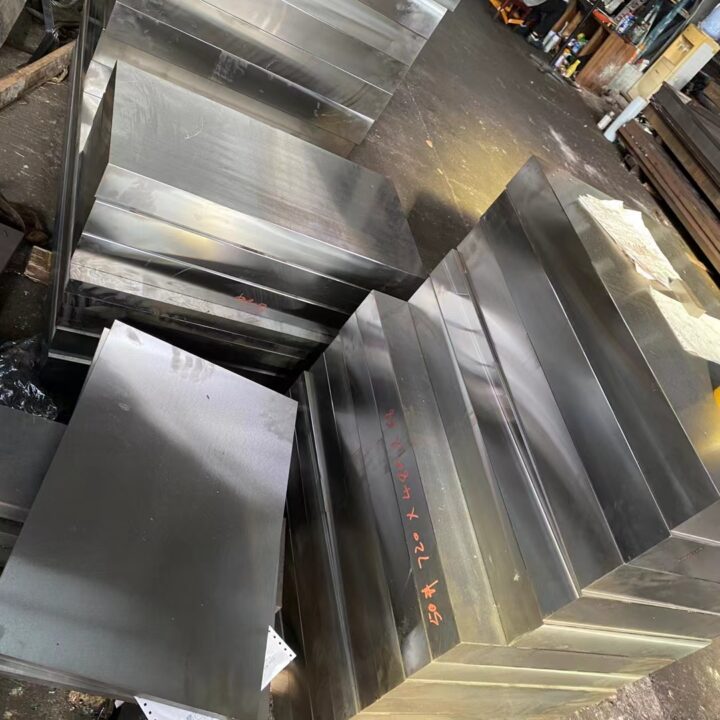
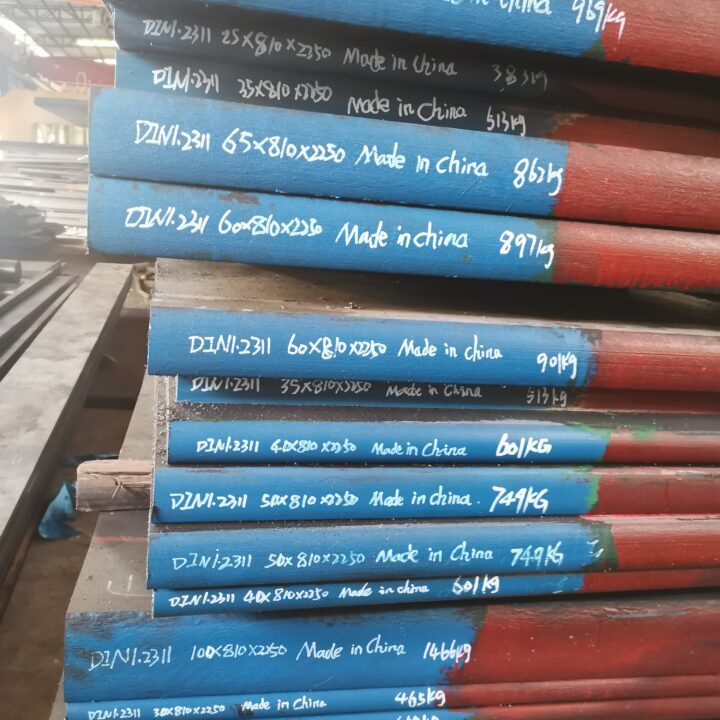
At OTAI Special Steel, we understand that good tool steel quality means more than meeting chemical composition and hardness requirements. Forging quality, surface condition, cutting allowance and inspection are also important parts of material quality control.
If you are looking for D2 / SKD11 round bars, flat bars or tool steel blocks, contact OTAI to discuss your required sizes, supply condition, hardness and inspection requirements.
Email: rika@otaisteel.com