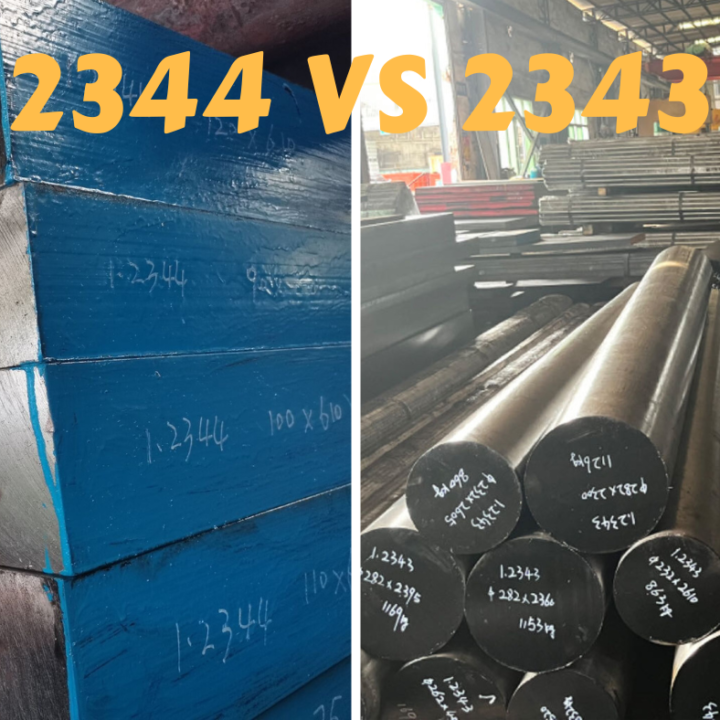
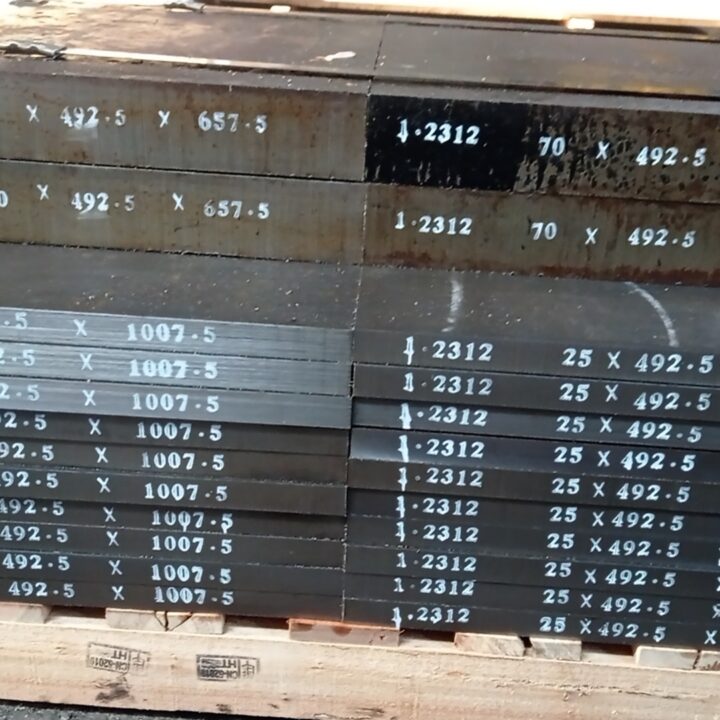
Choosing between 1.2311, 1.2312, and 1.2738 may seem simple at first. After all, they all belong to the P20 plastic mold steel family and share similar hardness ranges.
But in reality, many buyers make costly mistakes when selecting these materials. These mistakes can lead to:
- Mold cracking
- Poor polishing performance
- Uneven hardness
- Short mold life
- Increased manufacturing cost
In this guide, we’ll walk through the most common buyer mistakes and explain how to avoid them.
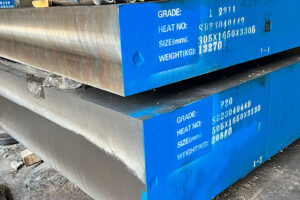
Mistake #1: Choosing 1.2312 for High-Polishing Applications
This is one of the most common mistakes buyers make.
Why It Happens
Buyers often select 1.2312 because it offers:
- Better machinability
- Lower machining cost
However, they forget one critical factor:
👉 1.2312 contains higher sulfur content.
What Happens Next
Sulfur forms MnS inclusions inside the steel, which can cause:
- Surface streaks
- Pitting
- Poor mirror finish
Real Example
Using 1.2312 for:
- Transparent plastic molds
- Optical products
- Cosmetic packaging
Result:
❌ Poor surface finish
❌ Customer complaints
❌ Rework cost
How to Avoid This Mistake
Choose instead:
| Application | Recommended Steel |
|---|---|
| Mirror polish | 1.2738 |
| Transparent parts | 1.2311 / 1.2738 |
| Optical molds | 1.2738 or higher grade |
Mistake #2: Using 1.2311 for Very Large Molds
Another common mistake is selecting 1.2311 for large mold blocks.
Why It Happens
1.2311 is:
- Widely available
- Cost-effective
- General-purpose
So buyers assume it works for everything.
The Problem
For large molds, 1.2311 may show:
- Hardness variation
- Lower toughness
- Risk of deformation
Why This Happens
1.2311 does not contain nickel, which improves:
- Hardenability
- Toughness
- Uniform hardness
Result
❌ Uneven hardness in thick sections
❌ Shorter mold life
❌ Higher maintenance cost
How to Avoid This Mistake
For large molds:
👉 Choose 1.2738 (Ni-added steel)
Mistake #3: Choosing 1.2738 for Low-End Applications
Some buyers assume 1.2738 is always better, so they use it everywhere.
Why This Is a Mistake
1.2738 offers:
- Better toughness
- Better uniformity
But it also comes with:
- Higher cost
When It’s Unnecessary
Using 1.2738 for:
- Small molds
- Low-cost consumer products
- Short production runs
Result:
❌ Increased material cost
❌ Reduced profit margin
How to Avoid
Use this rule:
- General molds → 1.2311
- Cost-sensitive molds → 1.2312
- Large/high-end molds → 1.2738
Mistake #4: Choosing Only Based on Price
This is one of the most dangerous mistakes.
What Buyers Often Do
They compare:
- Price per kg
instead of - Total manufacturing cost
Real Impact
Cheap steel may cause:
- Cracking
- Poor machinability
- Tool wear
Result:
❌ Higher total cost
Smart Buying Strategy
Consider:
- Machining time
- Tool wear
- Mold life
- Maintenance cost
Mistake #5: Ignoring Steelmaking Process
Not all 1.2311 / 1.2312 / 1.2738 steels are equal.
Key Differences
| Process | Quality Level |
|---|---|
| EAF only | Low |
| EAF + LF + VD | Good |
| ESR | Best |
Risk of Poor Quality Steel
- Inclusions
- Porosity
- Cracking
Solution
Always ask supplier:
✔ Steelmaking process
✔ UT testing
✔ Heat treatment details
Mistake #6: Not Considering Machining Efficiency
Some buyers choose 1.2311 without considering machining cost.
The Reality
1.2312 offers:
- Faster machining
- Lower tool wear
When This Matters
- Large mold bases
- High-volume production
Better Choice
👉 Choose 1.2312 to reduce machining cost.
Mistake #7: Ignoring Polishing Requirements
Surface finish requirements must be considered.
Comparison
| Grade | Polishing Performance |
|---|---|
| 1.2311 | Good |
| 1.2312 | Moderate |
| 1.2738 | Better |
Mistake
Using 1.2312 for high surface quality molds.
Result:
❌ Poor product appearance
Mistake #8: Not Considering Mold Size
Mold size plays a big role in steel selection.
General Rule
| Mold Size | Recommended Steel |
|---|---|
| Small | 1.2311 |
| Medium | 1.2311 / 1.2312 |
| Large | 1.2738 |
Mistake #9: Ignoring Application Environment
Material selection must match plastic type.
Example
Glass fiber plastic:
- High wear
- High stress
Using 1.2311 or 1.2312 may lead to:
❌ Fast wear
❌ Short mold life
Better choice:
- 1.2738
- 1.2344 (if higher wear resistance needed)
Mistake #10: Not Consulting Steel Supplier
Many buyers rely only on past experience.
But each project is different.
Consulting your supplier can help:
✔ Reduce cost
✔ Improve performance
✔ Avoid risks
Need Help Choosing the Right Steel?
At Dongguan Otai Special Steel, we help customers worldwide select the right materials.
📩 Contact us:
Email: rika@otaisteel.com
WhatsApp: +8613642825398