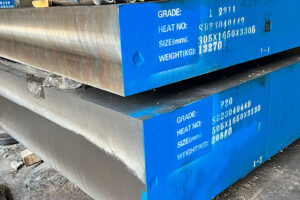
Short answer: Yes — 1.2738 Mold Steel is designed to reduce cracking risk, especially in large molds.
But why?
💡 The Key Reason: Nickel (Ni) Addition
1.2738 contains Nickel, which significantly improves:
✔ Toughness
✔ Hardness uniformity
✔ Resistance to cracking
✔ Structural stability
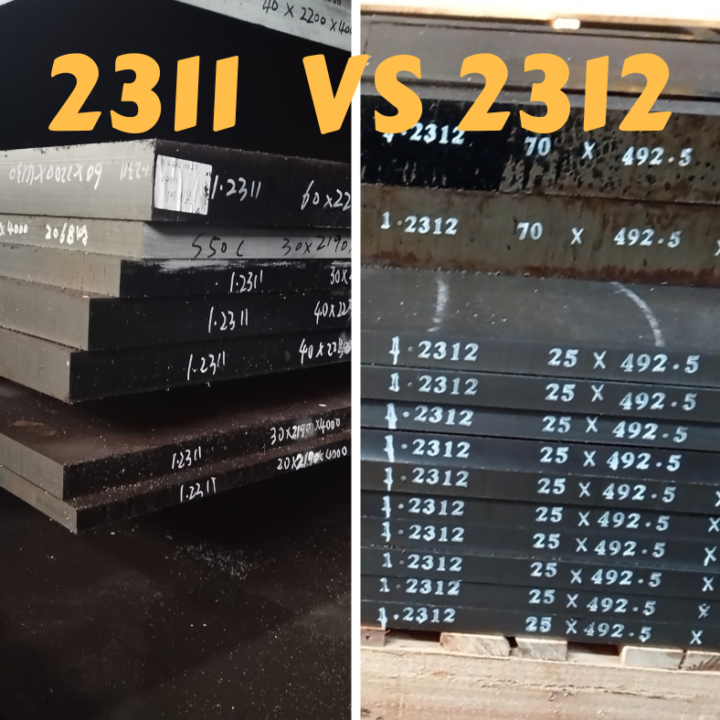
This makes 1.2738 more reliable than standard 1.2311 or 1.2312, especially for large mold applications.
⚠️ Common Cracking Problems with Standard P20 Steels
When using standard grades like 1.2311 or 1.2312, you may face:
❌ Cracking during machining
❌ Cracking during EDM
❌ Deformation in large blocks
❌ Uneven hardness in thick sections
These problems become more serious when:
• Mold size increases
• Section thickness becomes larger
• Production cycles are long
🚀 Why 1.2738 Performs Better
Because of Nickel addition, 1.2738 offers:
✔ Better toughness in thick sections
✔ More uniform hardness distribution
✔ Lower internal stress
✔ Reduced cracking risk during machining
This is why 1.2738 Mold Steel is widely used for:
• Automotive molds
• Large injection molds
• Home appliance molds
• High-value plastic molds
🔧 When Should You Choose 1.2738?
Choose 1.2738 if you have:
✔ Large mold size
✔ Thick mold blocks
✔ High production volume
✔ High-quality requirements
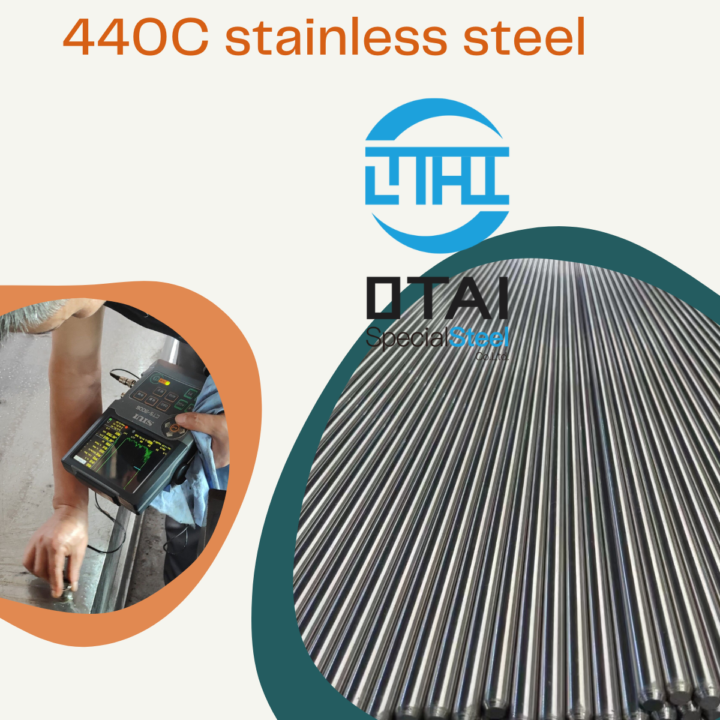
At Otai Special Steel, we supply high-quality 1.2738 mold steel with:
✔ Strict UT inspection
✔ Stable hardness
✔ ESR grade available
✔ Large block sizes
Looking to reduce cracking risk in your molds?
Let’s connect 👇
📩 Email: rika@otaisteel.com
📱 WhatsApp: +8613642825398